EXHIBITION
Echoes of the Art of the Viceroyalty of Peru
Echoes of the Art of the Viceroyalty of Peru
Echoes of the Art of the Viceroyalty of Peru
OCT 2025 - JAN 2026
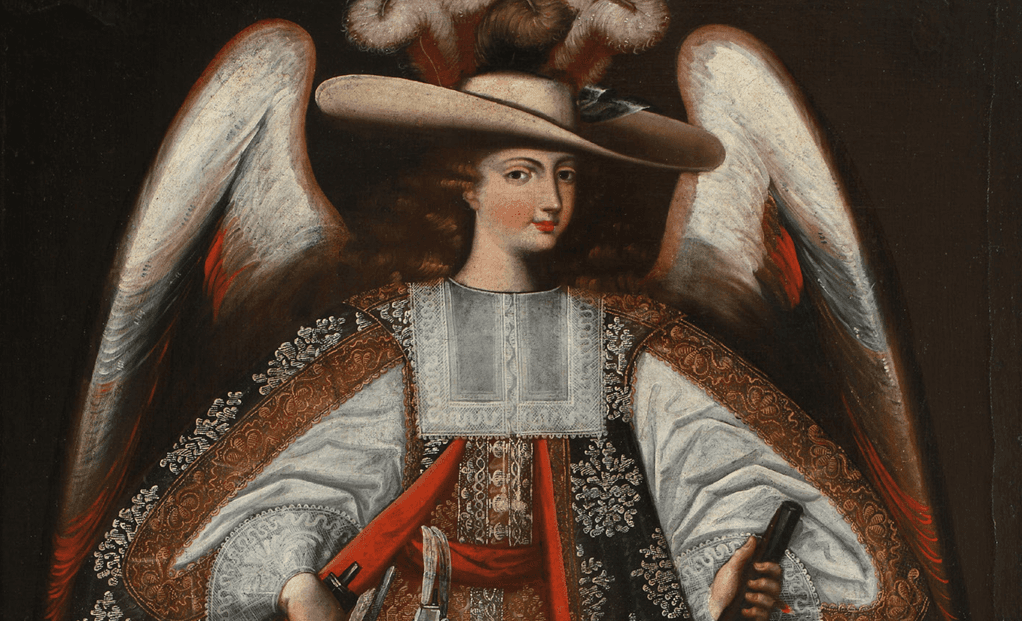
Archangel Ariel
Archangel Ariel
SHARE
SHARE
SHARE
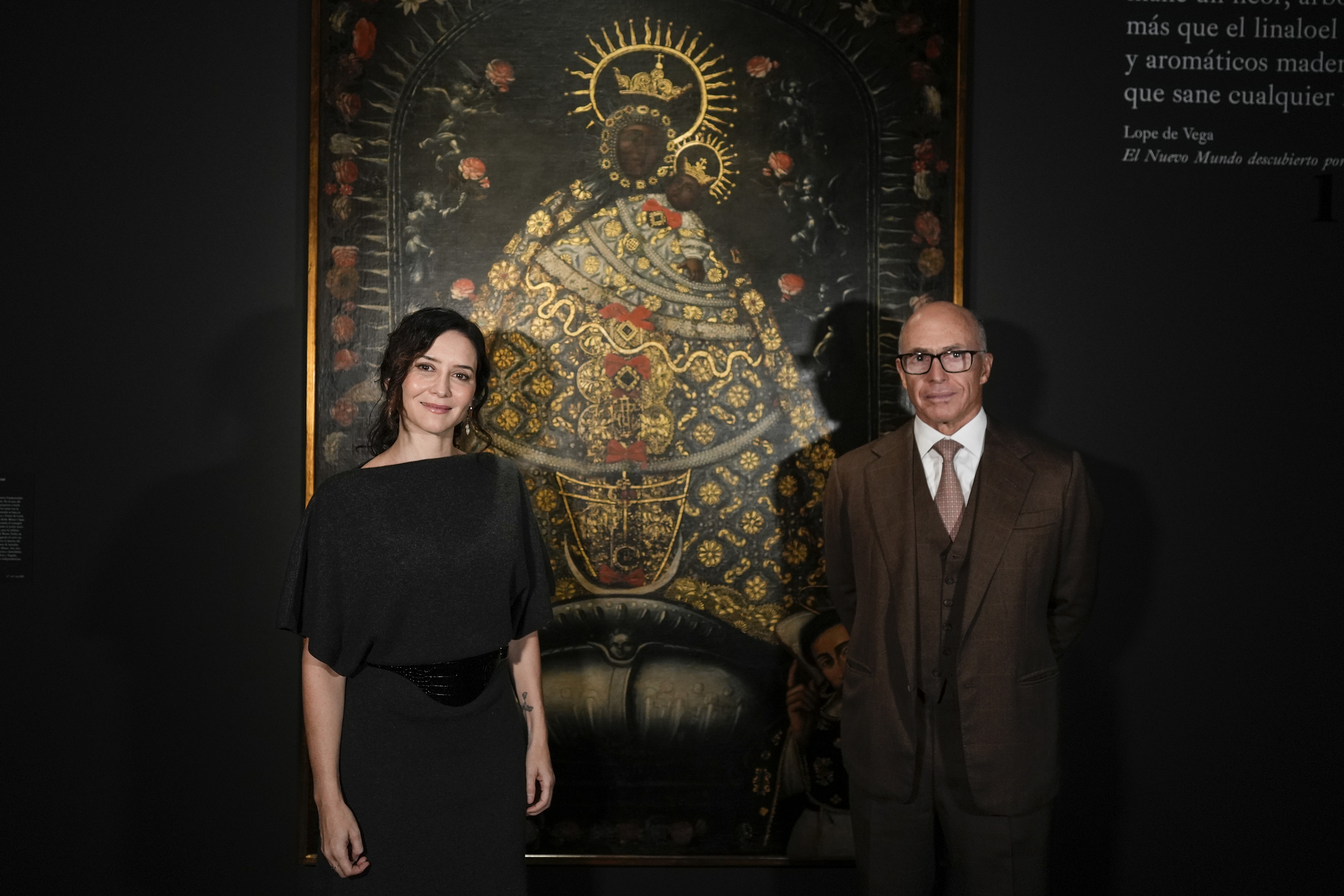
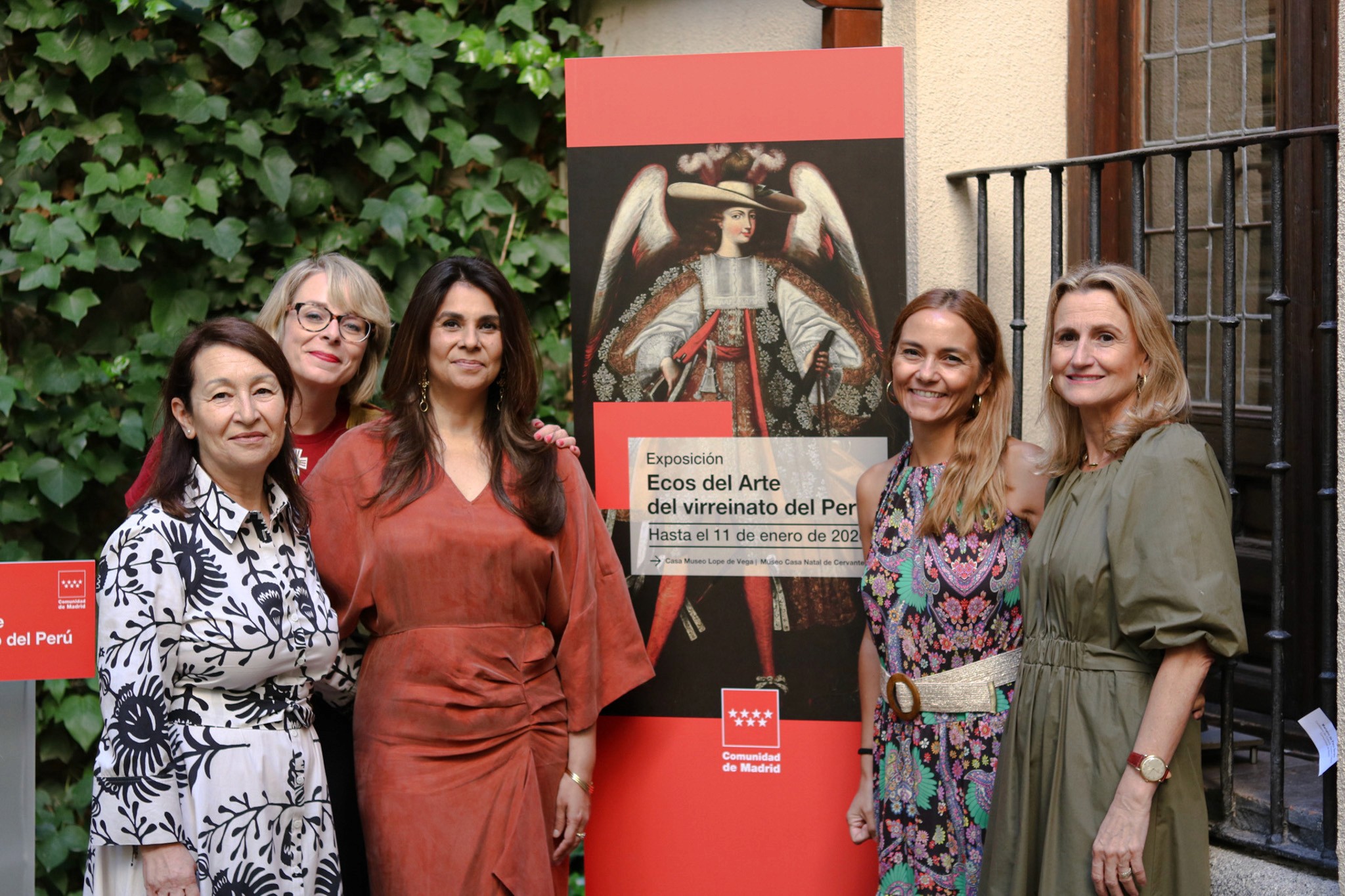
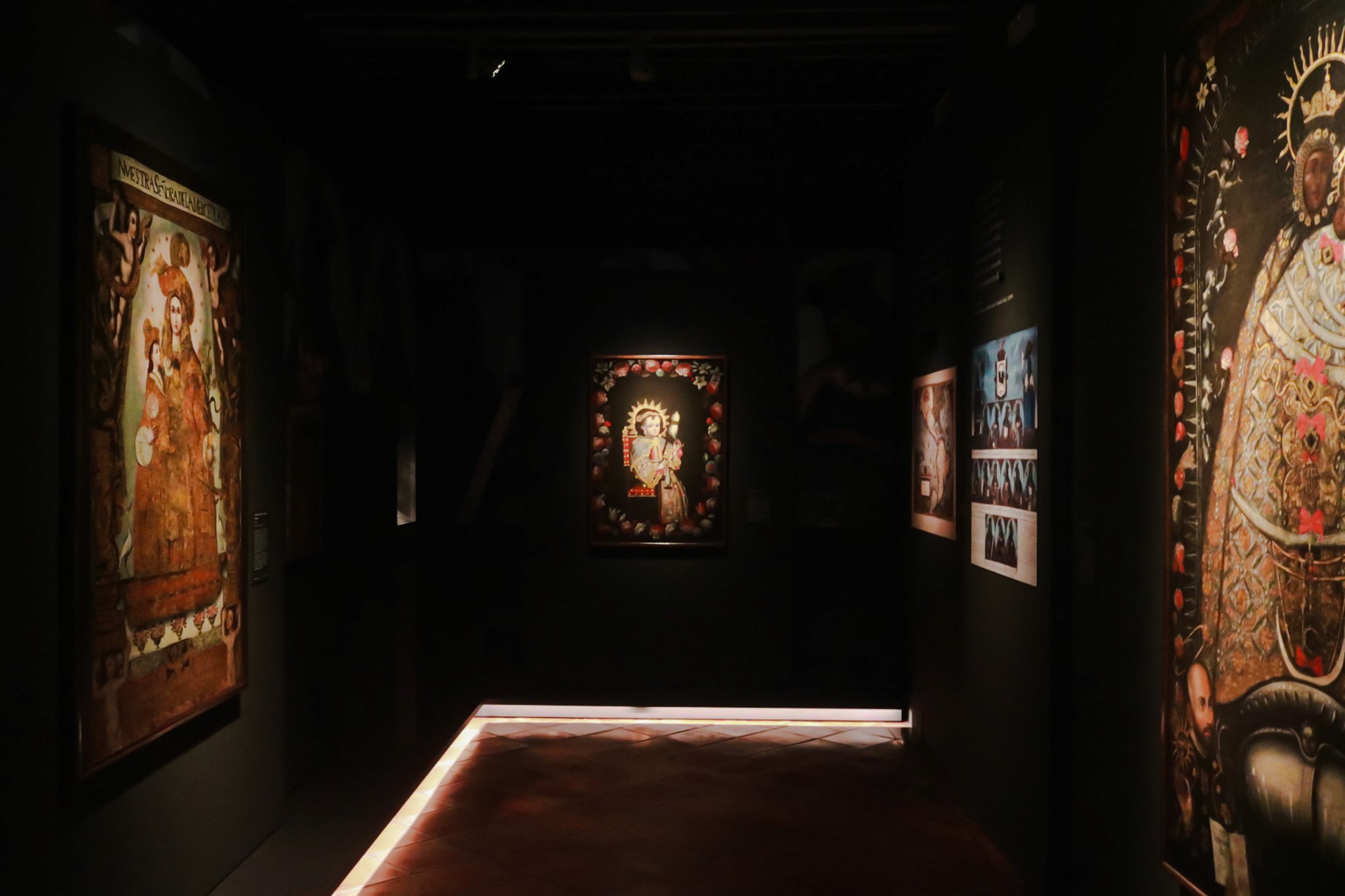
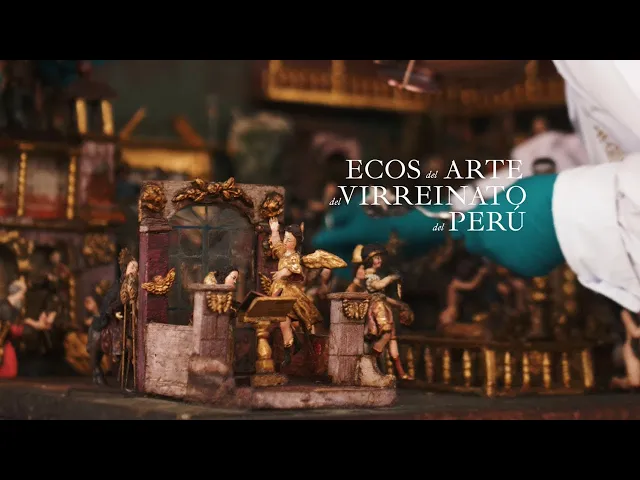
The Lope de Vega House Museum presents Echoes of the Art of the Viceroyalty of Peru, an exhibition that invites visitors to contemplate the strength and resonance of viceregal art as a bridge between two continents and two ways of looking at the world. More than just an exhibition, this journey is a living echo of the encounter between European tradition and American creativity, where each work—painting, religious object, or everyday piece—stands as a testament to a dialogue that transformed visualities and beliefs into a unique language.
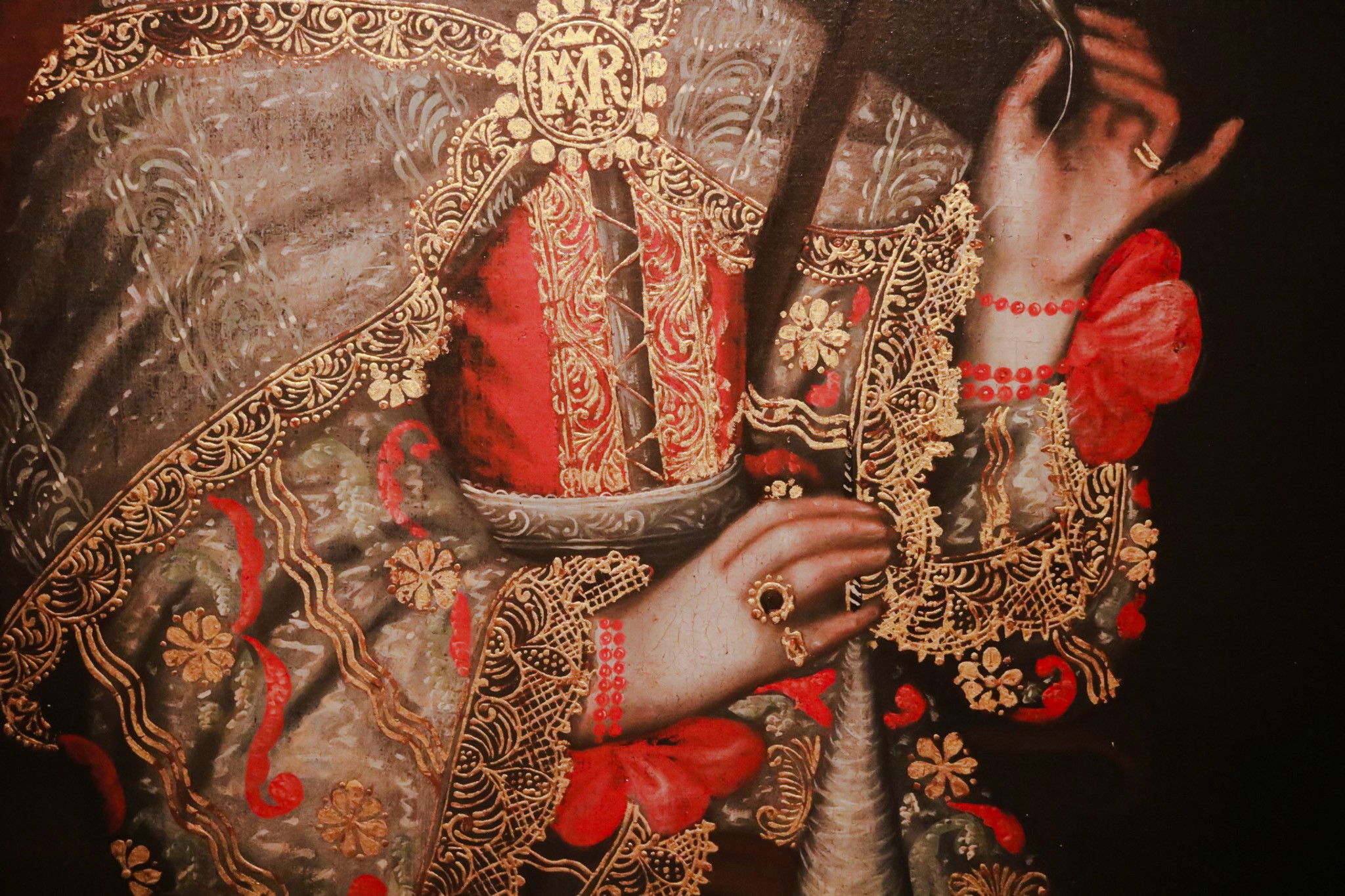
Far from being a simple translation of European models, the art of the Peruvian Viceroyalty reinvented itself at the crossroads of knowledge, incorporating indigenous elements, Catholic symbols, and local techniques that generated a unique visual richness. This selection of works, coming from the collection of the Pedro de Osma Museum in Lima, celebrates this fertilization of forms, colors, and meanings, and reminds us that art is simultaneously memory, faith, and shared community.
The Lope de Vega House Museum presents Echoes of the Art of the Viceroyalty of Peru, an exhibition that invites visitors to contemplate the strength and resonance of viceregal art as a bridge between two continents and two ways of looking at the world. More than just an exhibition, this journey is a living echo of the encounter between European tradition and American creativity, where each work—painting, religious object, or everyday piece—stands as a testament to a dialogue that transformed visualities and beliefs into a unique language.
Far from being a simple translation of European models, the art of the Peruvian Viceroyalty reinvented itself at the crossroads of knowledge, incorporating indigenous elements, Catholic symbols, and local techniques that generated a unique visual richness. This selection of works, coming from the collection of the Pedro de Osma Museum in Lima, celebrates this fertilization of forms, colors, and meanings, and reminds us that art is simultaneously memory, faith, and shared community.
The Casa Museo Lope de Vega presents Echoes of the art of the Viceroyalty of Peru, an exhibition that invites us to contemplate the strength and resonance of viceroyal art as a bridge between two continents and two ways of seeing the world. More than a display, this journey is a living echo of the meeting between European tradition and American creativity, where each work—painting, religious object, or everyday item—is a testament to a dialogue that transformed visualities and beliefs into a language of its own.
Far from being a simple translation of European models, the art of the Peruvian Viceroyalty reinvented itself at the crossroads of knowledge, incorporating indigenous elements, Catholic symbols, and local techniques that generated a unique visual richness. This selection of works, coming from the collection of the Museo Pedro de Osma in Lima, celebrates that fertilization of forms, colors, and meanings, and reminds us that art is at the same time memory, faith, and shared community.
At the heart of the exhibition are pieces that resonate with the cultural identity of both sides of the ocean: images deeply rooted in American spirituality, such as Saint Rose of Lima or the Pilgrim Virgin, alongside examples of the technical virtuosity that characterized viceregal production—from rich polychromes to sculptures and embroidered relics—evoking a time when art was a bridge, companionship, and constant presence.
Presented as part of Hispanidad 2025, the exhibition unfolds in the Lope de Vega House Museum as a sensory and reflective experience that leads us to listen to the resonances of the past and to feel how those artistic voices continue to live on today.
At the heart of the exhibition are pieces that resonate with the cultural identity of both sides of the ocean: images deeply rooted in American spirituality, such as Saint Rose of Lima or the Pilgrim Virgin, alongside examples of the technical virtuosity that characterized viceregal production—from rich polychromes to sculptures and embroidered relics—evoking a time when art was a bridge, companionship, and constant presence.
Presented as part of Hispanidad 2025, the exhibition unfolds in the Lope de Vega House Museum as a sensory and reflective experience that leads us to listen to the resonances of the past and to feel how those artistic voices continue to live on today.
At the heart of the exhibition are pieces that resonate with the cultural identity of both sides of the ocean: images deeply rooted in American spirituality, such as Saint Rose of Lima or the Pilgrim Virgin, alongside examples of the technical virtuosity that characterized viceregal production—from rich polychromes to sculptures and embroidered relics—evoking a time when art was a bridge, companionship, and constant presence.
Presented as part of Hispanidad 2025, the exhibition unfolds in the Lope de Vega House Museum as a sensory and reflective experience that leads us to listen to the resonances of the past and to feel how those artistic voices continue to live on today.