
to
Echoes of the Art of the Viceroyalty of Peru
Echoes of the Art of the Viceroyalty of Peru
EXHIBITION
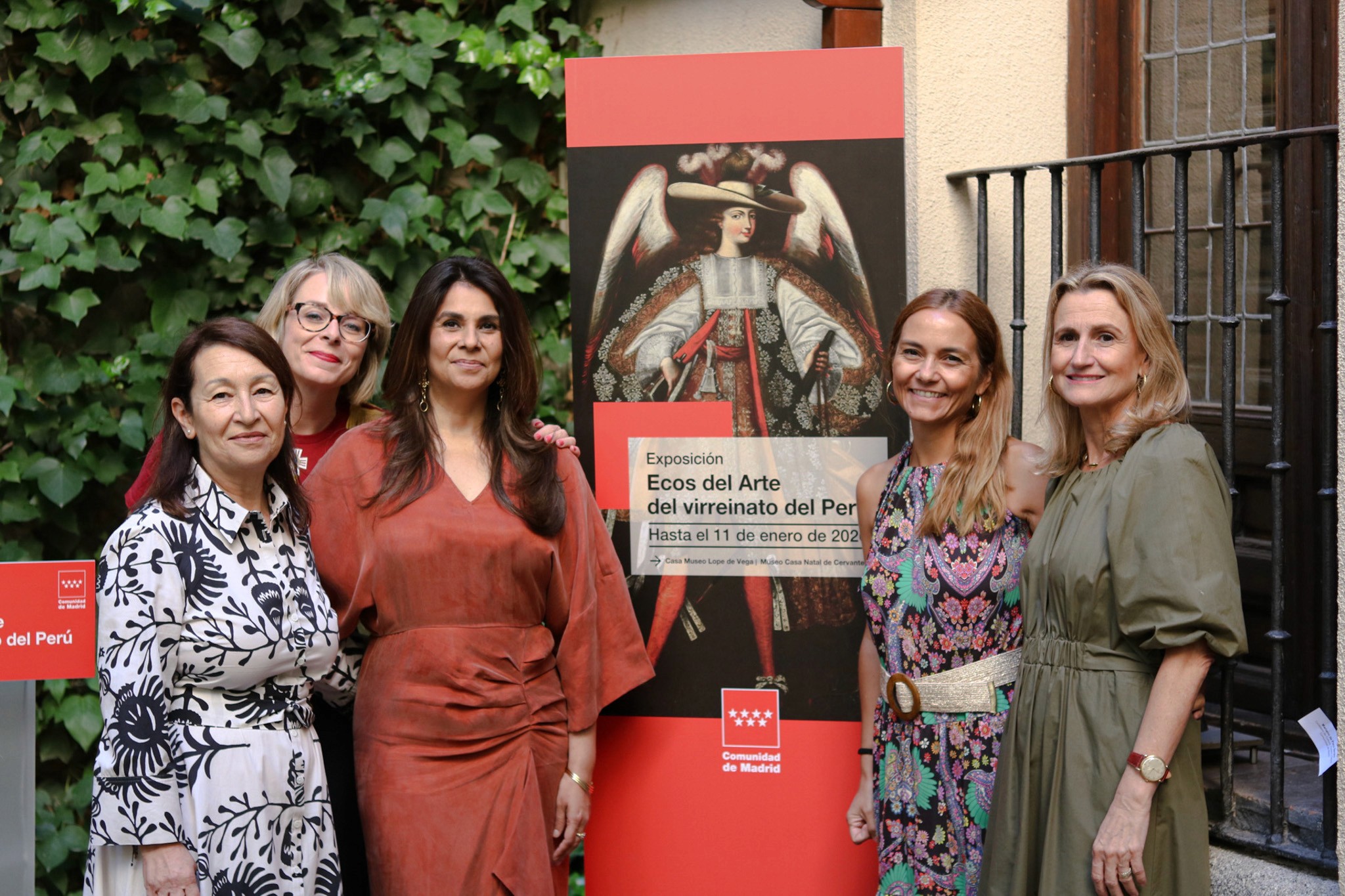
An exhibition exploring the richness of Peruvian viceregal art as a result of the encounter between European traditions and American influences.
An exhibition exploring the richness of Peruvian viceregal art as a result of the encounter between European traditions and American influences.
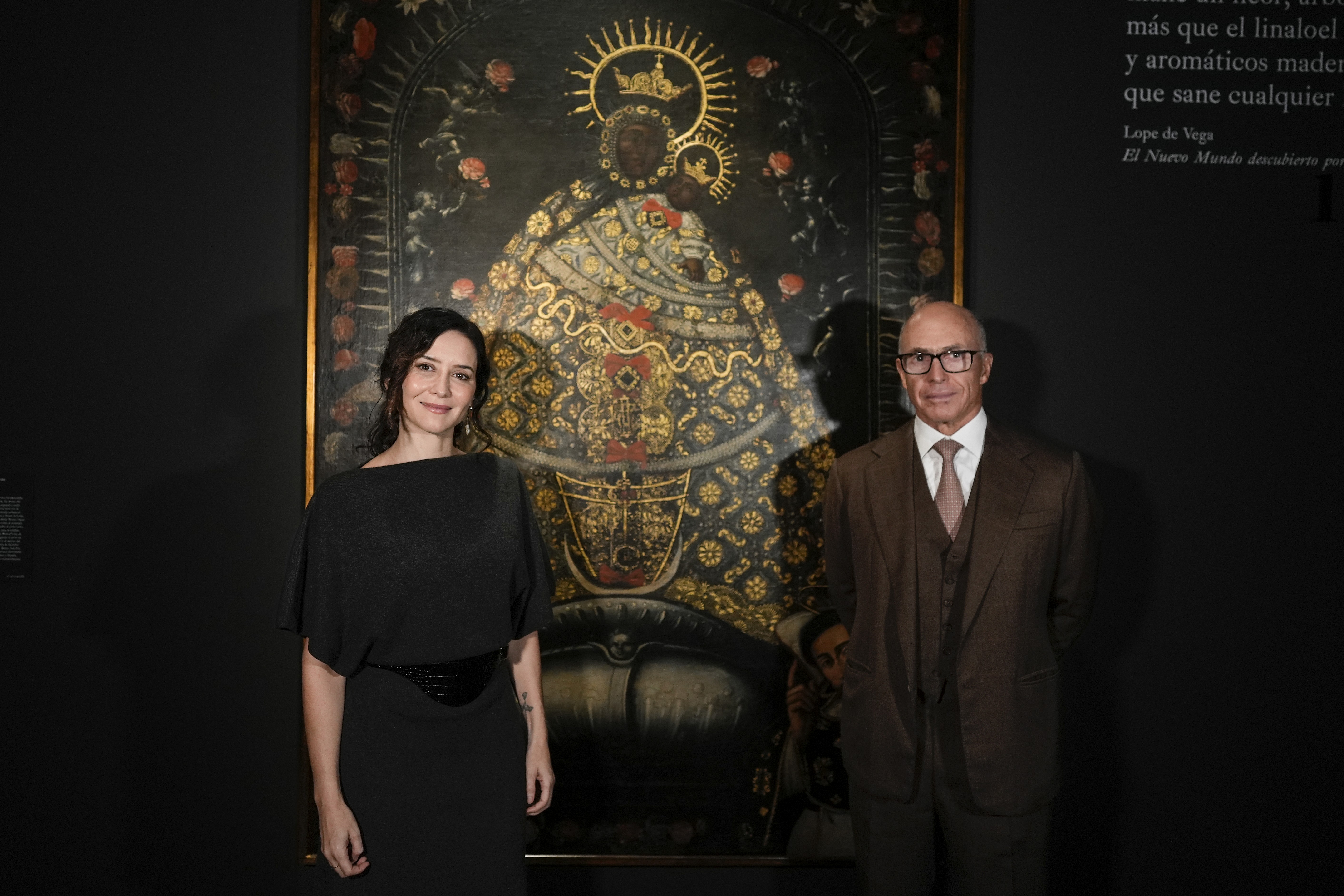
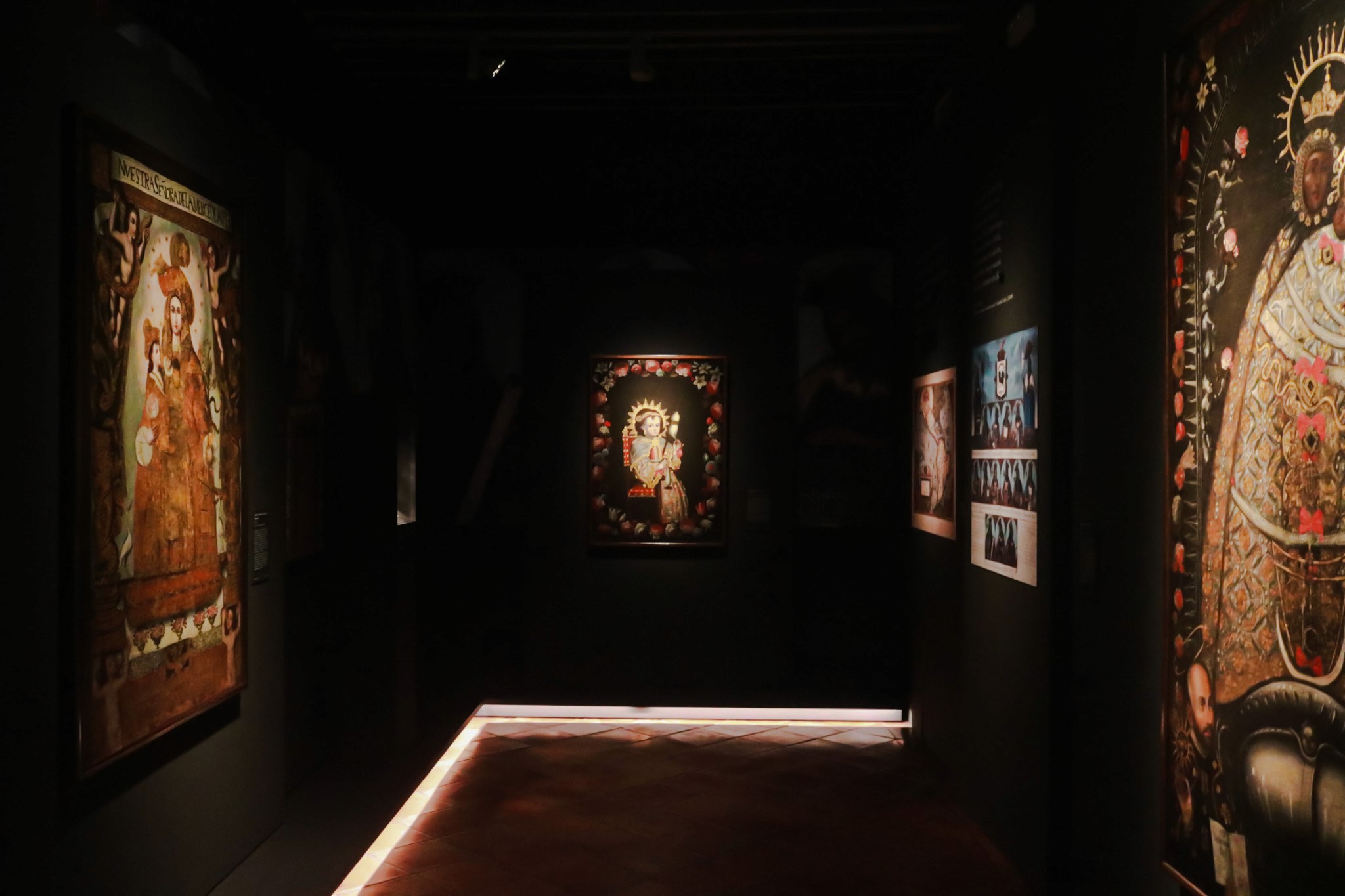
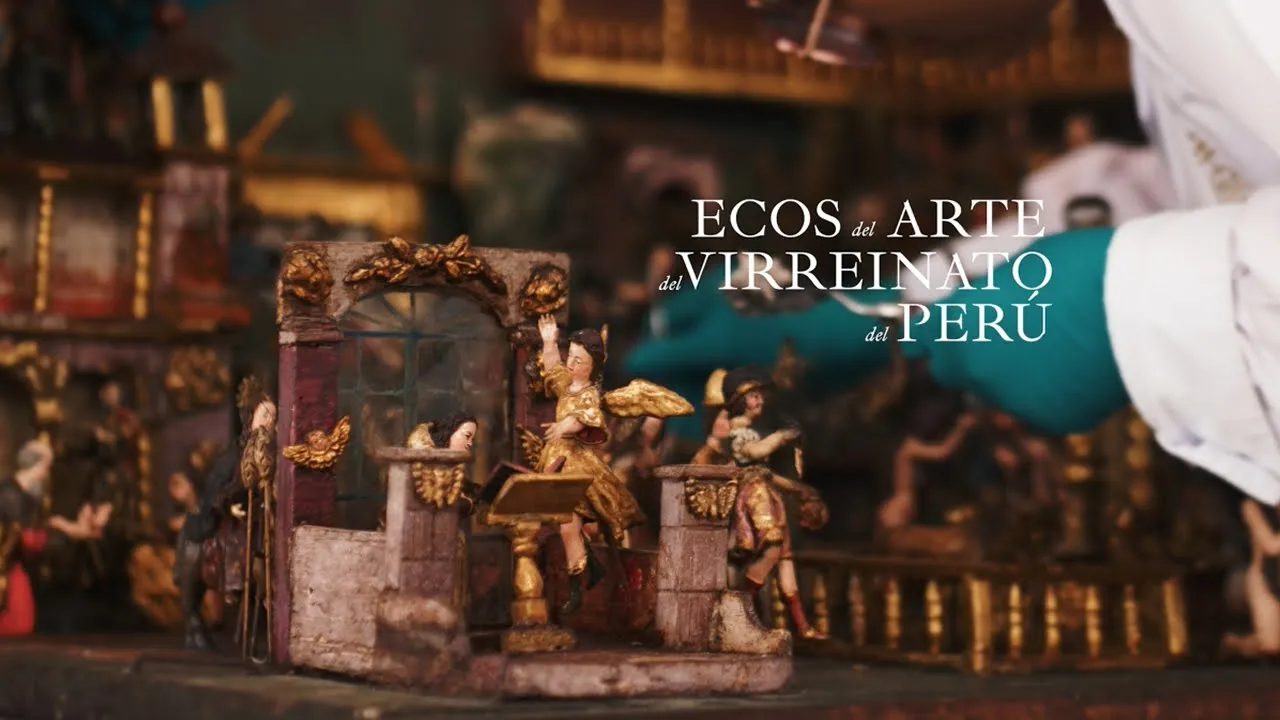
The Lope de Vega House Museum presents Echoes of the Art of the Viceroyalty of Peru, an exhibition that invites visitors to contemplate the power and resonance of viceregal art as a bridge between two continents and two ways of looking at the world. More than a showcase, this tour is a living echo of the encounter between European tradition and American creativity, where each work —painting, religious object, or everyday piece— is testimony to a dialogue that transformed visualities and beliefs into a language of its own.
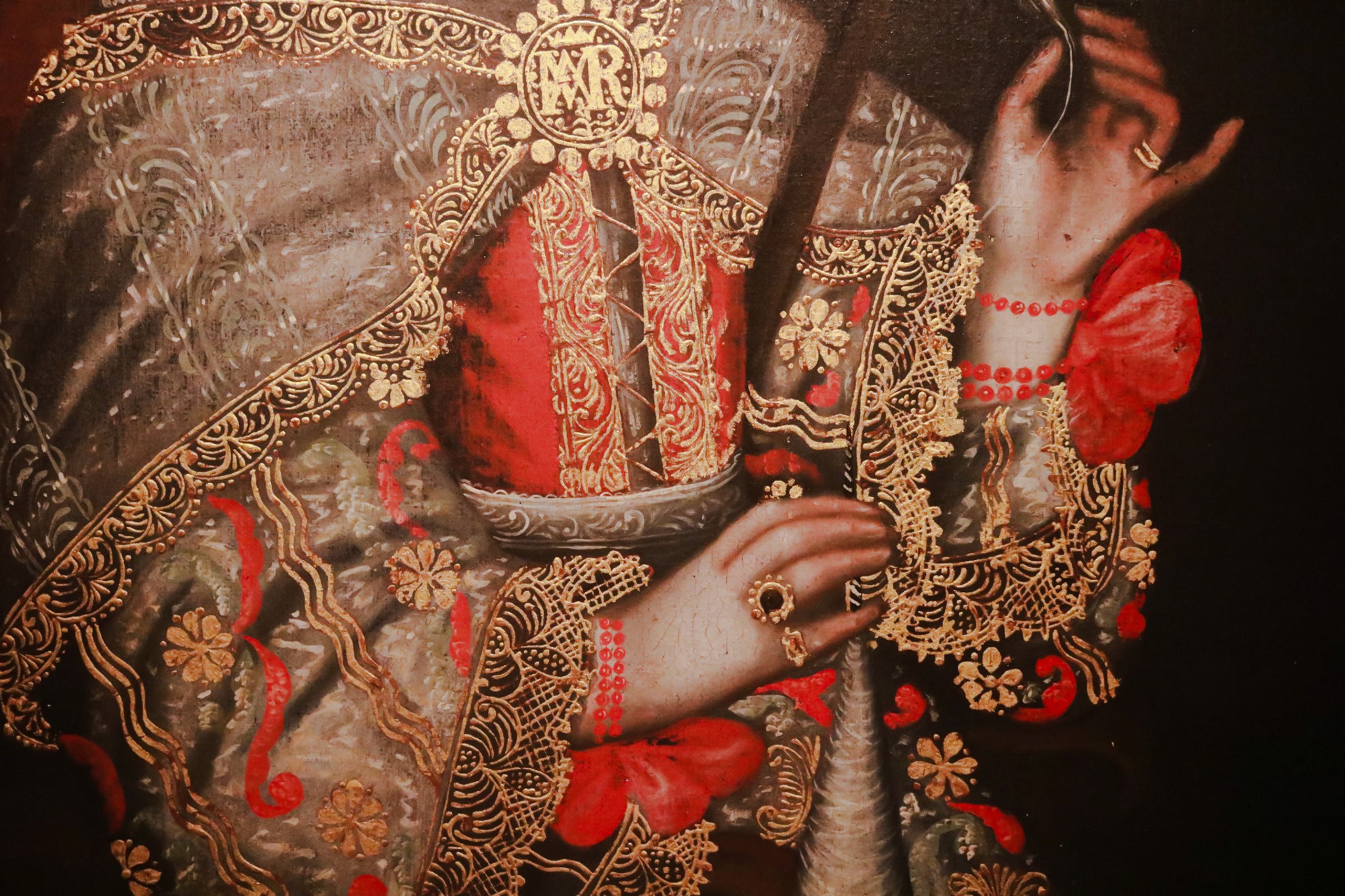
Far from being a simple translation of European models, the art of the Peruvian Viceroyalty was reinvented through the crossing of knowledges, incorporating indigenous elements, Catholic symbols, and local techniques that generated a unique visual richness. This selection of works, coming from the collection of the Pedro de Osma Museum in Lima, celebrates that cross-fertilization of forms, colors, and meanings, and reminds us that art is simultaneously memory, faith, and shared community.
At the heart of the exhibition are pieces that resonate in the cultural identity of both sides of the ocean: images deeply rooted in American spirituality, such as Saint Rose of Lima or the Pilgrim Virgin, alongside examples of the technical virtuosity that characterized viceregal production —from rich polychromies to sculptures and embroidered relics—, evoking a time when art was a bridge, company, and constant presence.
Presented within the framework of Hispanidad 2025, the exhibition is displayed at the Lope de Vega House Museum as a sensory and reflective experience that leads us to listen to the resonances of the past and to feel how those artistic voices continue to live on today.
ORGANIZES
COMMUNITY OF MADRID
COMMUNITY OF MADRID
CURATORSHIP
PEDRO DE OSMA MUSEUM
PEDRO DE OSMA MUSEUM
SPONSORED BY

PHOTO GALLERY