Three centuries of
Hispano-American viceroyal history.
Three centuries of
Hispano-American viceroyal history.
Three centuries of
Hispano-American viceroyal history.
Museum
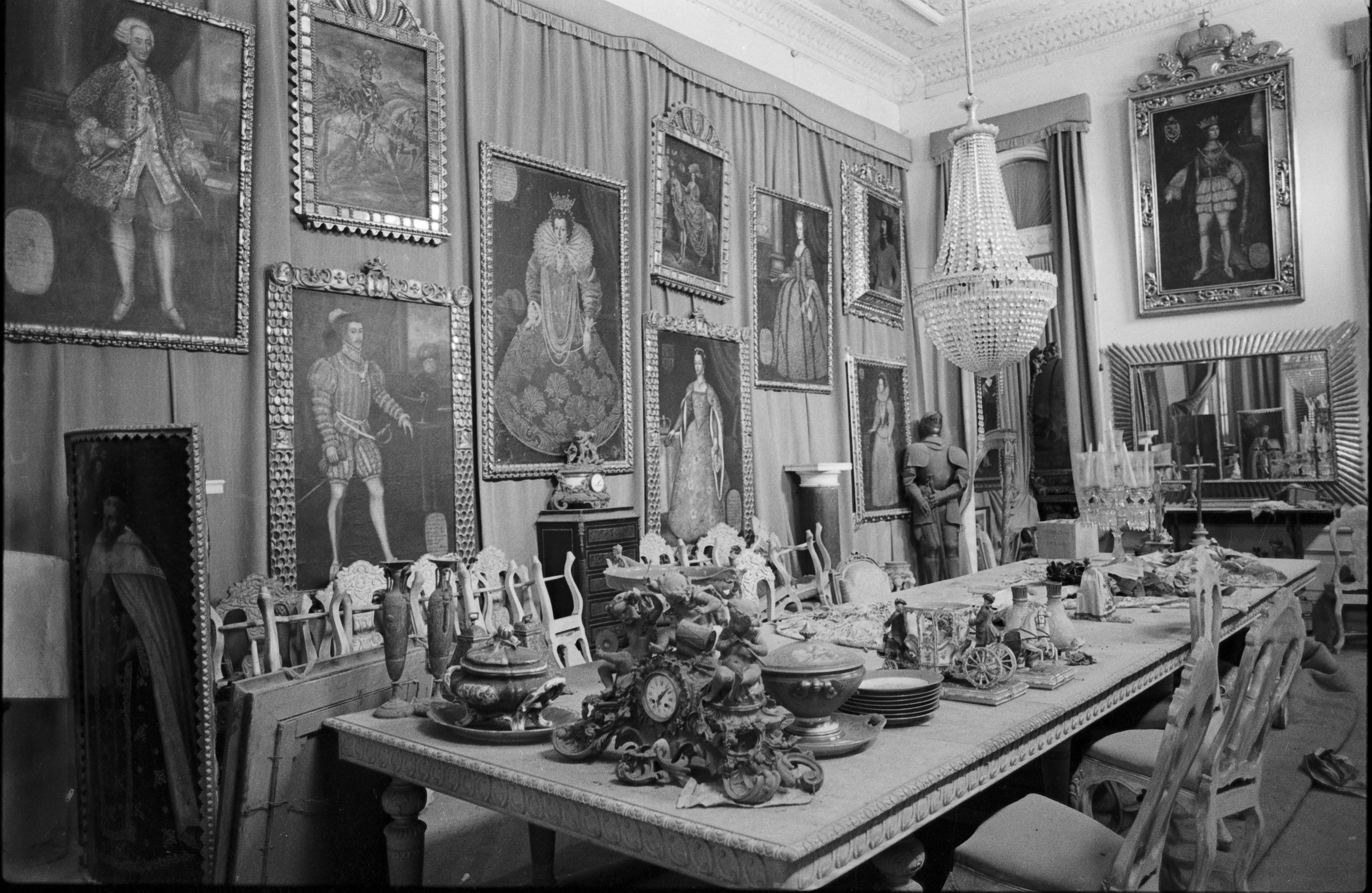
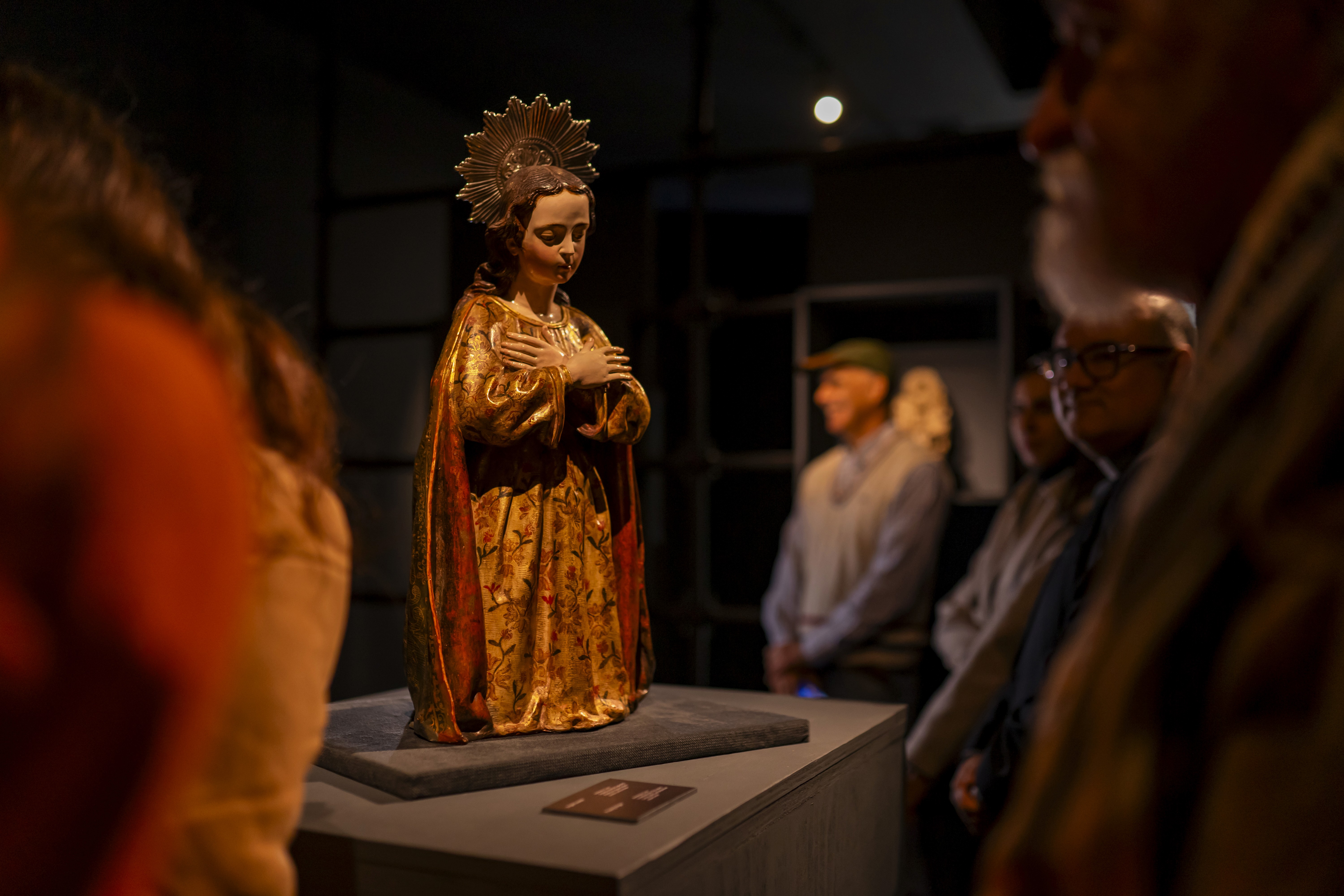
The Pedro de Osma Museum houses the most important collection of viceroyal art in Peru and one of the most valuable in Hispano-America. Located in an eclectic mansion from the early 20th century, in the district of Barranco, the museum brings together paintings, sculptures, silverware, and furniture produced between the 16th and 19th centuries, a testament to three hundred years of shared history between Europe and America. The collection, formed by Pedro de Osma Gildemeister, allows one to understand viceroyal art as a space for encounter, mestizaje, and cultural adaptation.
Traversing its halls is to enter a universe where images, materials, and symbols interact from a Hispano-American perspective. The exhibited works reveal how art was a fundamental means of constructing identities, transmitting beliefs, and reinterpreting traditions in a new context. More than a space for exhibition, the Pedro de Osma Museum is a center for research, conservation, and reflection, committed to the dissemination of cultural heritage and with a vision of art as a bridge between cultures and historical times.
Museum
The Pedro de Osma Museum houses the most important collection of viceroyal art in Peru and one of the most valuable in Hispano-America. Located in an eclectic mansion from the early 20th century, in the district of Barranco, the museum brings together paintings, sculptures, silverware, and furniture produced between the 16th and 19th centuries, a testament to three hundred years of shared history between Europe and America. The collection, formed by Pedro de Osma Gildemeister, allows one to understand viceroyal art as a space for encounter, mestizaje, and cultural adaptation.
Traversing its halls is to enter a universe where images, materials, and symbols interact from a Hispano-American perspective. The exhibited works reveal how art was a fundamental means of constructing identities, transmitting beliefs, and reinterpreting traditions in a new context. More than a space for exhibition, the Pedro de Osma Museum is a center for research, conservation, and reflection, committed to the dissemination of cultural heritage and with a vision of art as a bridge between cultures and historical times.
Museum
The Pedro de Osma Museum houses the most important viceregal art collection in Peru and one of the most valuable in Hispanic America. Set in an eclectic early 20th-century mansion in the Barranco district, the museum brings together paintings, sculptures, silverware, and furniture produced between the 16th and 19th centuries, testifying to three hundred years of shared history between Europe and America. The collection, formed by Pedro de Osma Gildemeister, allows us to understand viceregal art as a space for encounter, mestizaje, and cultural adaptation.
Walking through its rooms is to step into a universe where images, materials, and symbols engage in dialogue from a Hispanic-American perspective. The exhibited works reveal how art was a fundamental means to build identities, transmit beliefs, and reinterpret traditions within a new context. More than an exhibition space, the Pedro de Osma Museum is a center for research, conservation, and reflection, committed to the dissemination of cultural heritage and to a vision of art as a bridge between cultures and historical eras.
Pedro de Osma
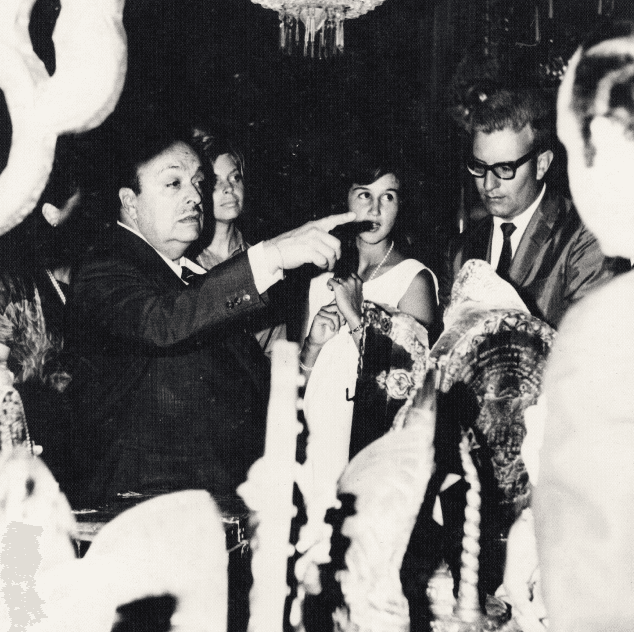
Pedro de Osma Gildemeister (Lima, 1901–1967) dedicated a large part of his life to the formation of a distinguished collection of Peruvian viceroyal art, composed of paintings, sculptures, furniture, and silverware from the 16th to 18th centuries, with special attention to the schools of Cusco and Ayacucho. His work as a collector responded to a profound appreciation of art as a historical and cultural testimony of viceroyal society, understood from a broad and mestizo perspective.
Beyond gathering works, Pedro de Osma conceived his collection as a space for meeting and dissemination. In his summer residence in Barranco, he welcomed guests and personalities whom he personally guided through the rooms, explaining the context, history, and value of each piece. This open and philanthropic vocation laid the foundations of the foundation that today administers the Pedro de Osma Museum and defines its spirit as a place of dialogue, knowledge, and access to cultural heritage.
Pedro de Osma
Pedro de Osma Gildemeister (Lima, 1901–1967) dedicated a large part of his life to the formation of a prominent collection of Peruvian colonial art, composed of paintings, sculptures, furniture, and silverware from the 16th to the 18th centuries, with special attention to the schools of Cusco and Ayacucho. His work as a collector was a response to a profound appreciation of art as a historical and cultural testimony of colonial society, understood from a broad and mestizo perspective.
Beyond gathering works, Pedro de Osma conceived his collection as a space for encounter and dissemination. In his summer residence in Barranco, he hosted guests and personalities whom he personally guided through the rooms, explaining the context, history, and value of each piece. This open and philanthropic vocation laid the foundations for the foundation that today manages the Pedro de Osma Museum and defines its spirit as a place of dialogue, knowledge, and access to cultural heritage.
Pedro de Osma
Pedro de Osma Gildemeister (Lima, 1901–1967) dedicated a large part of his life to the formation of a prominent collection of Peruvian colonial art, composed of paintings, sculptures, furniture, and silverware from the 16th to the 18th centuries, with special attention to the schools of Cusco and Ayacucho. His work as a collector was a response to a profound appreciation of art as a historical and cultural testimony of colonial society, understood from a broad and mestizo perspective.
Beyond gathering works, Pedro de Osma conceived his collection as a space for encounter and dissemination. In his summer residence in Barranco, he hosted guests and personalities whom he personally guided through the rooms, explaining the context, history, and value of each piece. This open and philanthropic vocation laid the foundations for the foundation that today manages the Pedro de Osma Museum and defines its spirit as a place of dialogue, knowledge, and access to cultural heritage.
Research
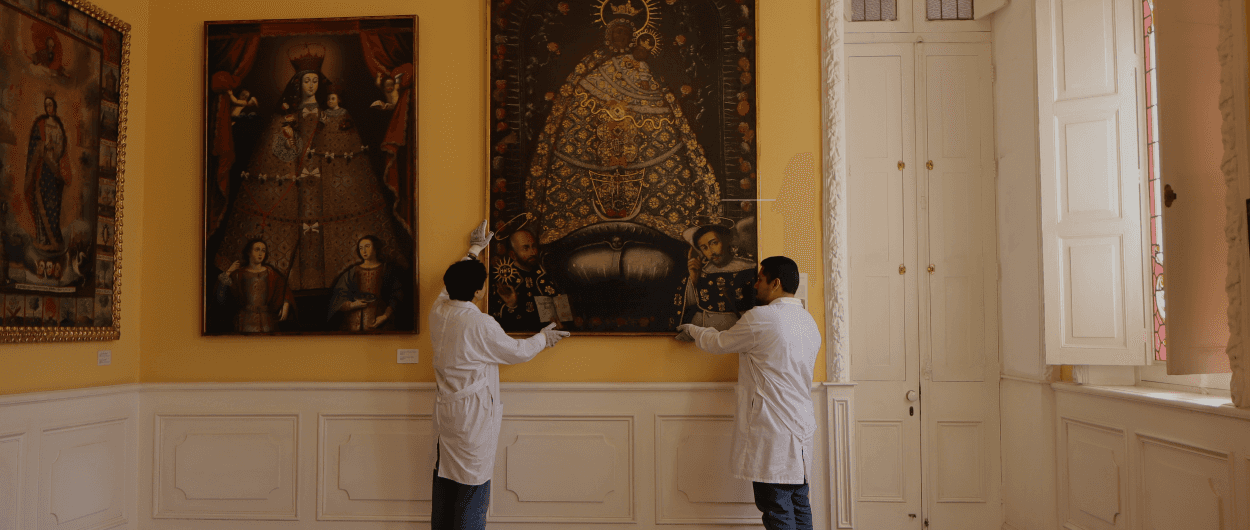
The museum, through the Pedro and Angélica de Osma Gildemeister Foundation, aims to preserve, research, and disseminate its collection, combining traditional strategies and contemporary tools, as well as educational programs developed in collaboration with universities and research centers.
Thanks to its Restoration Workshop, the digital repository, and academic and international agreements, the Pedro de Osma Museum consolidates itself as a space that not only exhibits art but also produces and shares knowledge with increasingly broader audiences.
Research
The museum, through the Pedro and Angélica de Osma Gildemeister Foundation, has among its aims the conservation, research, and dissemination of its collection through traditional strategies and modern technologies, as well as educational programs that promote the appreciation of Peruvian viceroyalty art.
Thanks to its restoration workshop, the digital repository of works, and agreements for international exhibitions, the museum positions itself as a specialized center that not only displays but also generates knowledge — cataloging pieces, restoring them, and presenting them in new contexts for expanded audiences.
Research
The museum, through the Pedro and Angélica de Osma Gildemeister Foundation, aims for the conservation, research, and dissemination of its collection, combining traditional strategies and contemporary tools, as well as educational programs developed in collaboration with universities and research centers.
Thanks to its Restoration Workshop, the digital repository, and academic and international agreements, the Pedro de Osma Museum consolidates as a space that not only exhibits art but also produces and shares knowledge with increasingly broader audiences.
Our mission:
beyond art
Nuestra misión:
más allá del arte
Our mission:
beyond art
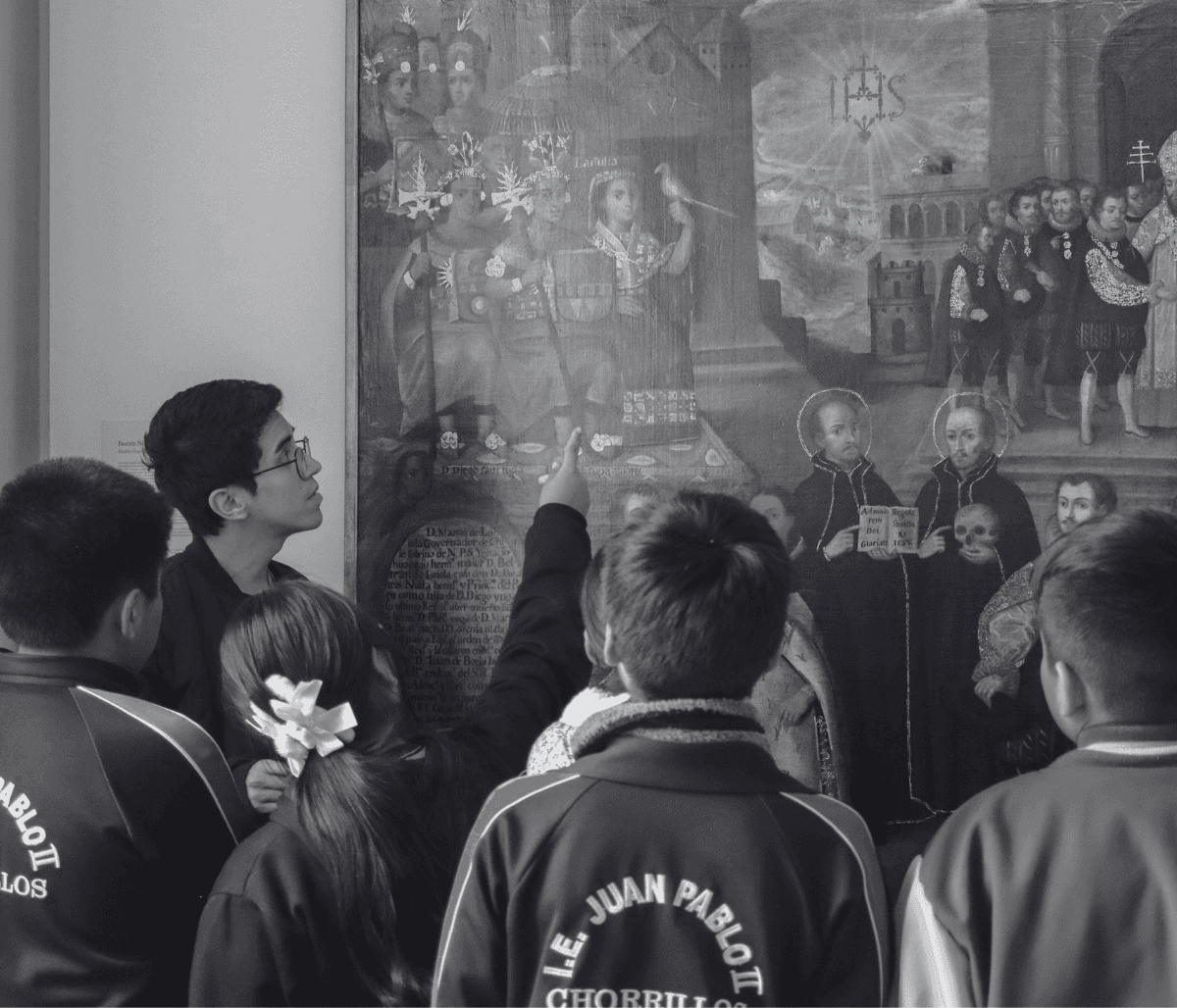
The mission of the Pedro and Angélica de Osma Gildemeister Foundation, which promotes the Pedro de Osma Museum, is to conserve, research, and disseminate Peruvian colonial art while supporting social programs for children and elderly adults in vulnerable situations.
The mission of the Pedro and Angélica de Osma Gildemeister Foundation, which promotes the Pedro de Osma Museum, is to conserve, research, and disseminate Peruvian colonial art while supporting social programs for children and elderly adults in vulnerable situations.
Learn more
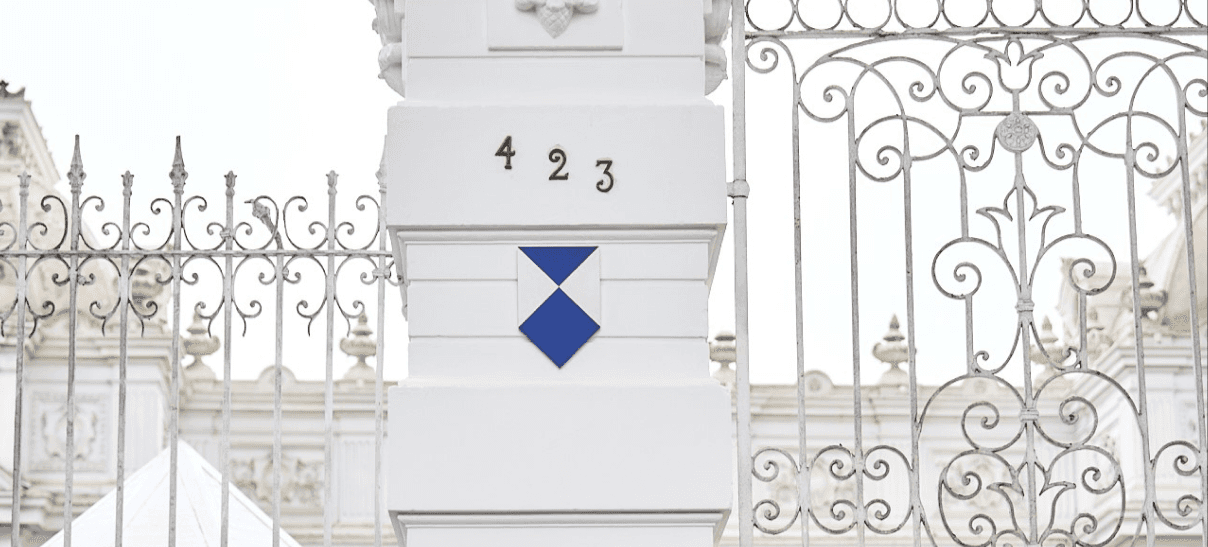
Blue Shield: Architectural emblem.
Blue Shield:
Emblem
architectural.
Blue Shield:
Architectural emblem.
The Museum has been awarded the UNESCO Blue Shield, a mark that recognizes its exceptional value and commitment to the preservation of heritage. More than just a museum, it is an experience that invites you to explore the history of colonial art in an environment where every stained glass window, garden, and architectural detail breathes elegance and culture.
The Museum has been awarded the UNESCO Blue Shield, a mark that recognizes its exceptional value and commitment to the preservation of heritage. More than just a museum, it is an experience that invites you to explore the history of colonial art in an environment where every stained glass window, garden, and architectural detail breathes elegance and culture.
The Museum has been recognized with the UNESCO Blue Shield, a badge that acknowledges its exceptional value and commitment to heritage preservation.
More than a museum, it is an experience that invites you to explore the history of Viceroyal art in an environment where every stained glass window, garden, and architectural detail breathes elegance and culture.