La Colección
La Colección
Room 11: Pedro and Angélica de Osma
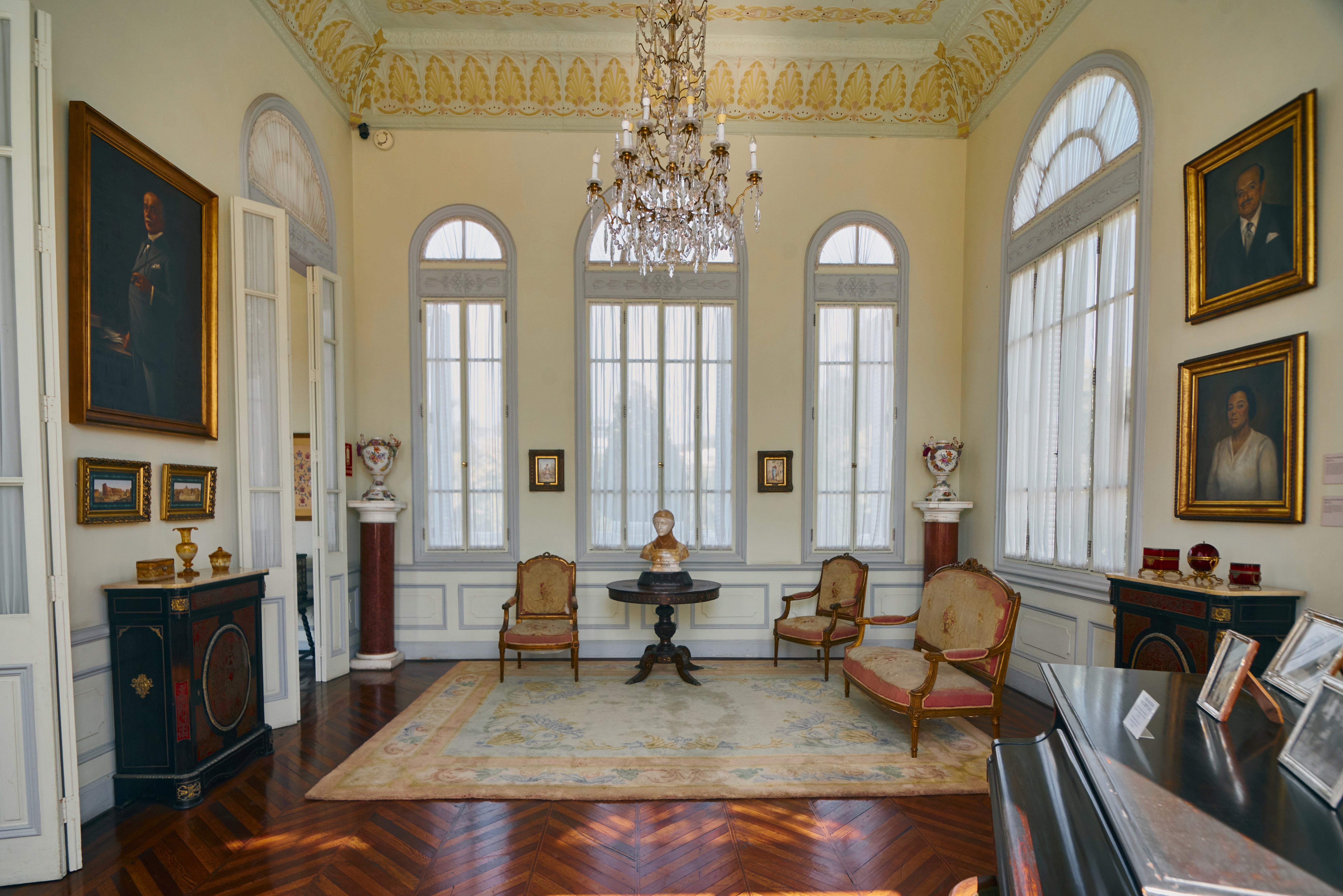
At the beginning of the 20th century, Pedro and Angélica de Osma Gildemeister embodied a vision of collecting and philanthropy deeply linked to public service and cultural commitment. Thanks to their legacy, today there exists the Pedro and Angélica de Osma Gildemeister Foundation, an institution that supports both the Pedro de Osma Museum and various social projects, and that safeguards the most important private collection of colonial art in Peru, a reference in the Hispanic American context.
The journey through this room introduces us to the family sphere of the De Osma siblings. The portraits, the 19th-century grand piano, and the symbolic presence of the portrait of Pedro de Osma and Pardo — a key figure in Lima's public life — evoke the environment in which this vocation for art and service was formed.
Pedro de Osma Gildemeister (1901–1967) dedicated nearly three decades to gathering an exceptional collection of colonial works that today constitute the core of the museum, a work recognized with important international distinctions. Angélica de Osma Gildemeister (1902–1980), for her part, developed an intense philanthropic activity focused on the well-being of vulnerable children and the elderly. After their passing, their nephews Felipe and Fernando de Osma Elías united the foundations created by the siblings, continuing a work that combines heritage, knowledge, and social commitment.
Room 11: Pedro and Angélica de Osma
At the beginning of the 20th century, Pedro and Angélica de Osma Gildemeister embodied a vision of collecting and philanthropy deeply linked to public service and cultural commitment. Thanks to their legacy, today there exists the Pedro and Angélica de Osma Gildemeister Foundation, an institution that supports both the Pedro de Osma Museum and various social projects, and that safeguards the most important private collection of colonial art in Peru, a reference in the Hispanic American context.
The journey through this room introduces us to the family sphere of the De Osma siblings. The portraits, the 19th-century grand piano, and the symbolic presence of the portrait of Pedro de Osma and Pardo — a key figure in Lima's public life — evoke the environment in which this vocation for art and service was formed.
Pedro de Osma Gildemeister (1901–1967) dedicated nearly three decades to gathering an exceptional collection of colonial works that today constitute the core of the museum, a work recognized with important international distinctions. Angélica de Osma Gildemeister (1902–1980), for her part, developed an intense philanthropic activity focused on the well-being of vulnerable children and the elderly. After their passing, their nephews Felipe and Fernando de Osma Elías united the foundations created by the siblings, continuing a work that combines heritage, knowledge, and social commitment.
Room 11: Pedro and Angélica de Osma
At the beginning of the 20th century, Pedro and Angélica de Osma Gildemeister embodied a vision of collecting and philanthropy deeply linked to public service and cultural commitment. Thanks to their legacy, today there exists the Pedro and Angélica de Osma Gildemeister Foundation, an institution that supports both the Pedro de Osma Museum and various social projects, and that safeguards the most important private collection of colonial art in Peru, a reference in the Hispanic American context.
The journey through this room introduces us to the family sphere of the De Osma siblings. The portraits, the 19th-century grand piano, and the symbolic presence of the portrait of Pedro de Osma and Pardo — a key figure in Lima's public life — evoke the environment in which this vocation for art and service was formed.
Pedro de Osma Gildemeister (1901–1967) dedicated nearly three decades to gathering an exceptional collection of colonial works that today constitute the core of the museum, a work recognized with important international distinctions. Angélica de Osma Gildemeister (1902–1980), for her part, developed an intense philanthropic activity focused on the well-being of vulnerable children and the elderly. After their passing, their nephews Felipe and Fernando de Osma Elías united the foundations created by the siblings, continuing a work that combines heritage, knowledge, and social commitment.
Room 12: Family Legacy
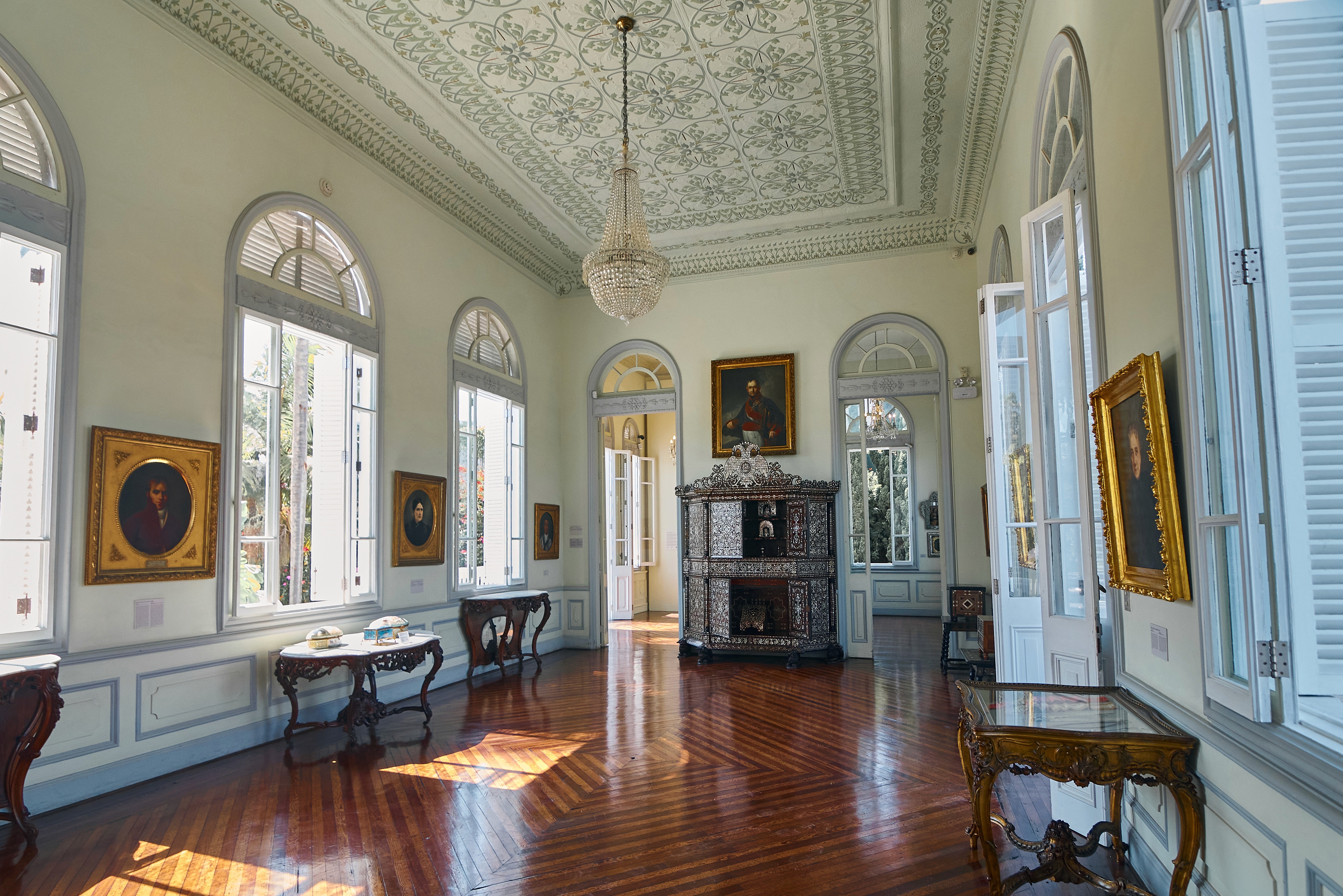
This space, which at one time was the dining room of the De Osma Gildemeister family, preserves the atmosphere of domestic life that gave rise to the museum. Here, family gatherings took place after summer days spent in the gardens and on the beaches of Barranco, and it was also where Pedro de Osma's sensitivity to virreinal art began to take shape, awakened by the furniture, portraits, and objects that were part of the everyday environment of the mansion.
Room 12: Family Legacy
This space, which at one time was the dining room of the De Osma Gildemeister family, preserves the atmosphere of domestic life that gave rise to the museum. Here, family gatherings took place after summer days spent in the gardens and on the beaches of Barranco, and it was also where Pedro de Osma's sensitivity to virreinal art began to take shape, awakened by the furniture, portraits, and objects that were part of the everyday environment of the mansion.
Room 12: Family Legacy
This space, which at one time was the dining room of the De Osma Gildemeister family, preserves the atmosphere of domestic life that gave rise to the museum. Here, family gatherings took place after summer days spent in the gardens and on the beaches of Barranco, and it was also where Pedro de Osma's sensitivity to virreinal art began to take shape, awakened by the furniture, portraits, and objects that were part of the everyday environment of the mansion.
Room 13: Huamanga Stone
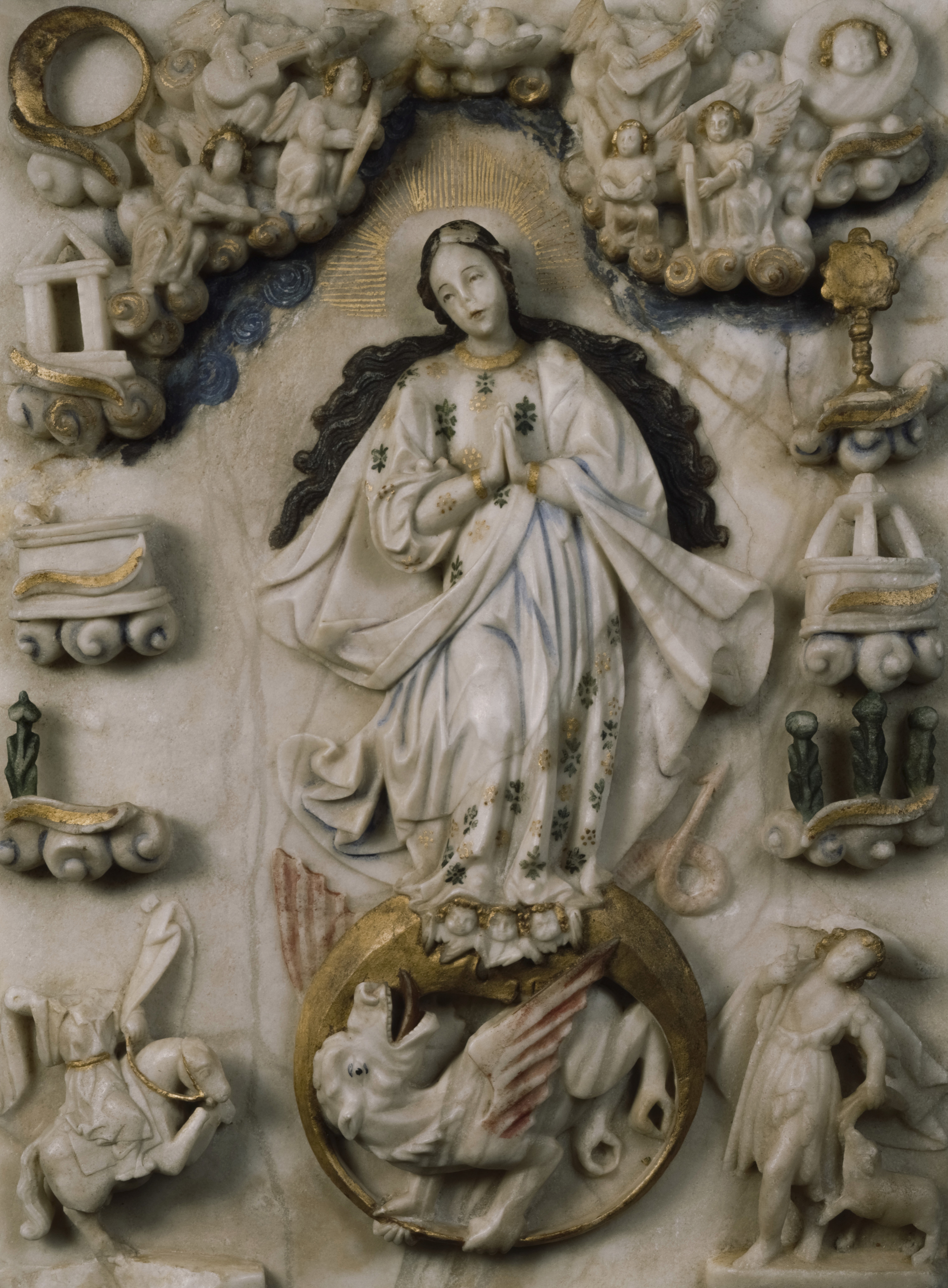
In appearance, it is similar to marble, but in its form, it is soft and malleable, which makes it easier to sculpt. The museum has a collection of objects carved from Huamanga stone mainly from the 18th and 19th centuries, depicting small devotional and allegorical figures.
Room 13: Huamanga Stone
In appearance, it is similar to marble, but in its form, it is soft and malleable, which makes it easier to sculpt. The museum has a collection of objects carved from Huamanga stone mainly from the 18th and 19th centuries, depicting small devotional and allegorical figures.
Room 13: Huamanga Stone
In appearance, it is similar to marble, but in its form, it is soft and malleable, which makes it easier to sculpt. The museum has a collection of objects carved from Huamanga stone mainly from the 18th and 19th centuries, depicting small devotional and allegorical figures.
Room 14: Portraits of Mestizaje
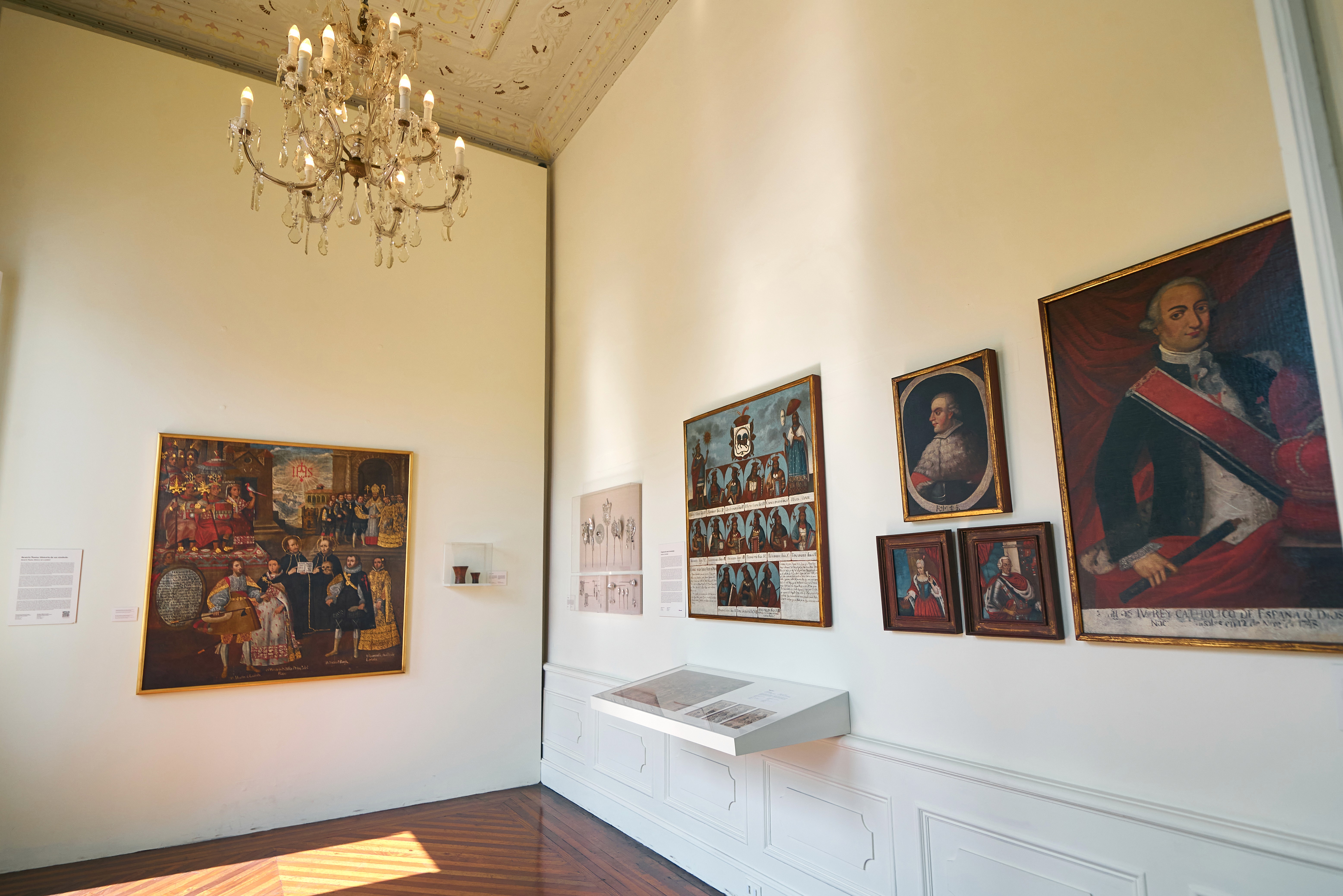
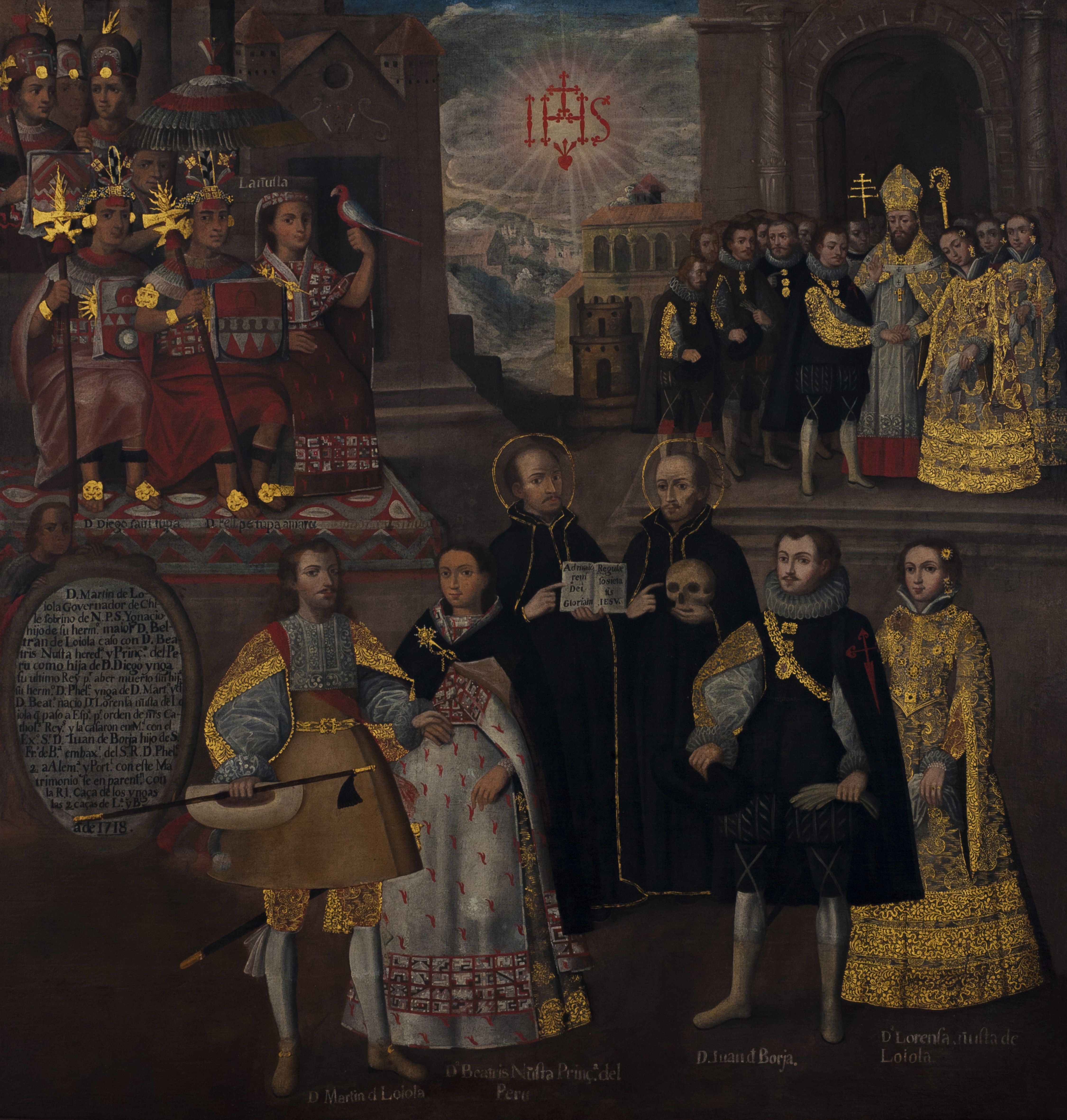
The Spanish conquest of Peru did not mean the disappearance of the Inca culture that preceded it. This culture remained active throughout the three centuries of the viceroyalty, and some of its elements are still present even today. The pieces included in this room are clear evidence of those vestiges of the past that managed to withstand the passage of time.
The elements of this room remind us that the encounter between two cultures is a constitutive mark of our identity as Peruvians and that the history that was built afterward was shaped by either resistance or reconciliation with this past, but always starting from it.
Room 14: Portraits of Mestizaje
The Spanish conquest of Peru did not mean the disappearance of the Inca culture that preceded it. This culture remained active throughout the three centuries of the viceroyalty, and some of its elements are still present even today. The pieces included in this room are clear evidence of those vestiges of the past that managed to withstand the passage of time.
The elements of this room remind us that the encounter between two cultures is a constitutive mark of our identity as Peruvians and that the history that was built afterward was shaped by either resistance or reconciliation with this past, but always starting from it.
Room 14: Portraits of Mestizaje
The Spanish conquest of Peru did not mean the disappearance of the Inca culture that preceded it. This culture remained active throughout the three centuries of the viceroyalty, and some of its elements are still present even today. The pieces included in this room are clear evidence of those vestiges of the past that managed to withstand the passage of time.
The elements of this room remind us that the encounter between two cultures is a constitutive mark of our identity as Peruvians and that the history that was built afterward was shaped by either resistance or reconciliation with this past, but always starting from it.