La Colección
La Colección
In 1545, the discovery of Cerro Rico de Potosí radically transformed the economic history of the Hispanic world. The silver extracted from this mining center, one of the most important of the 16th century, filled the coffers of the Spanish Empire and circulated widely throughout Europe and other continents, becoming a decisive engine of the early global economy.
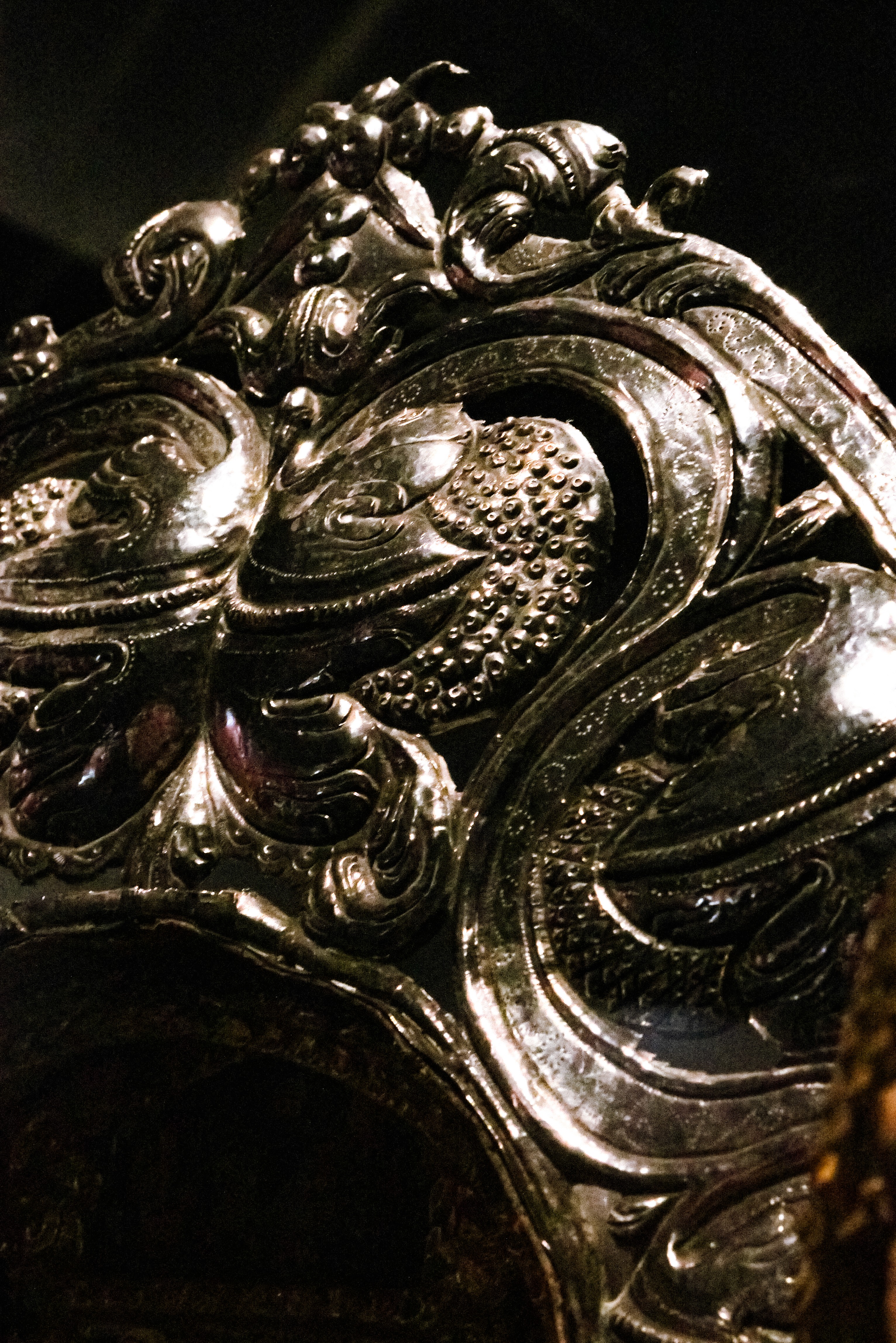
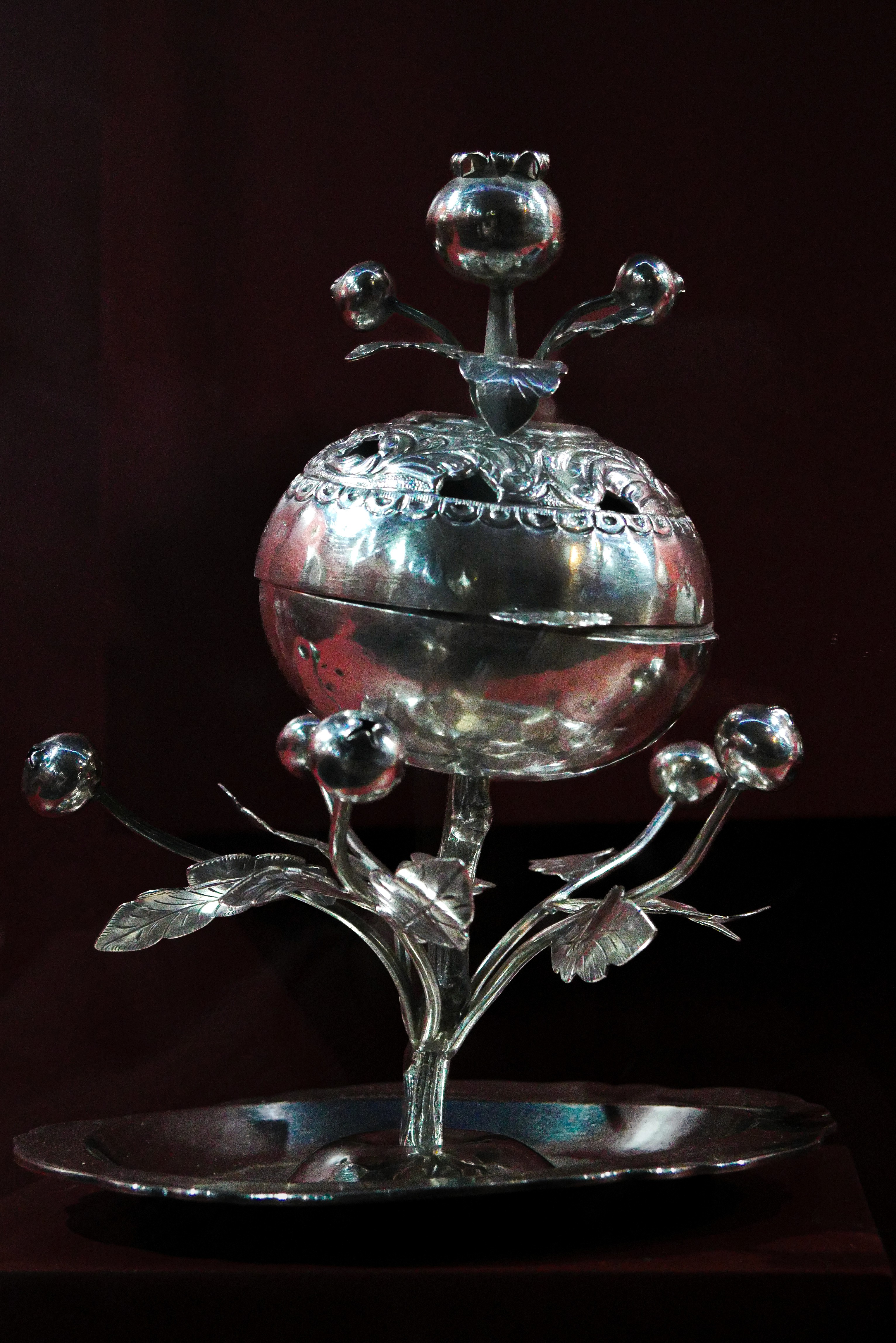
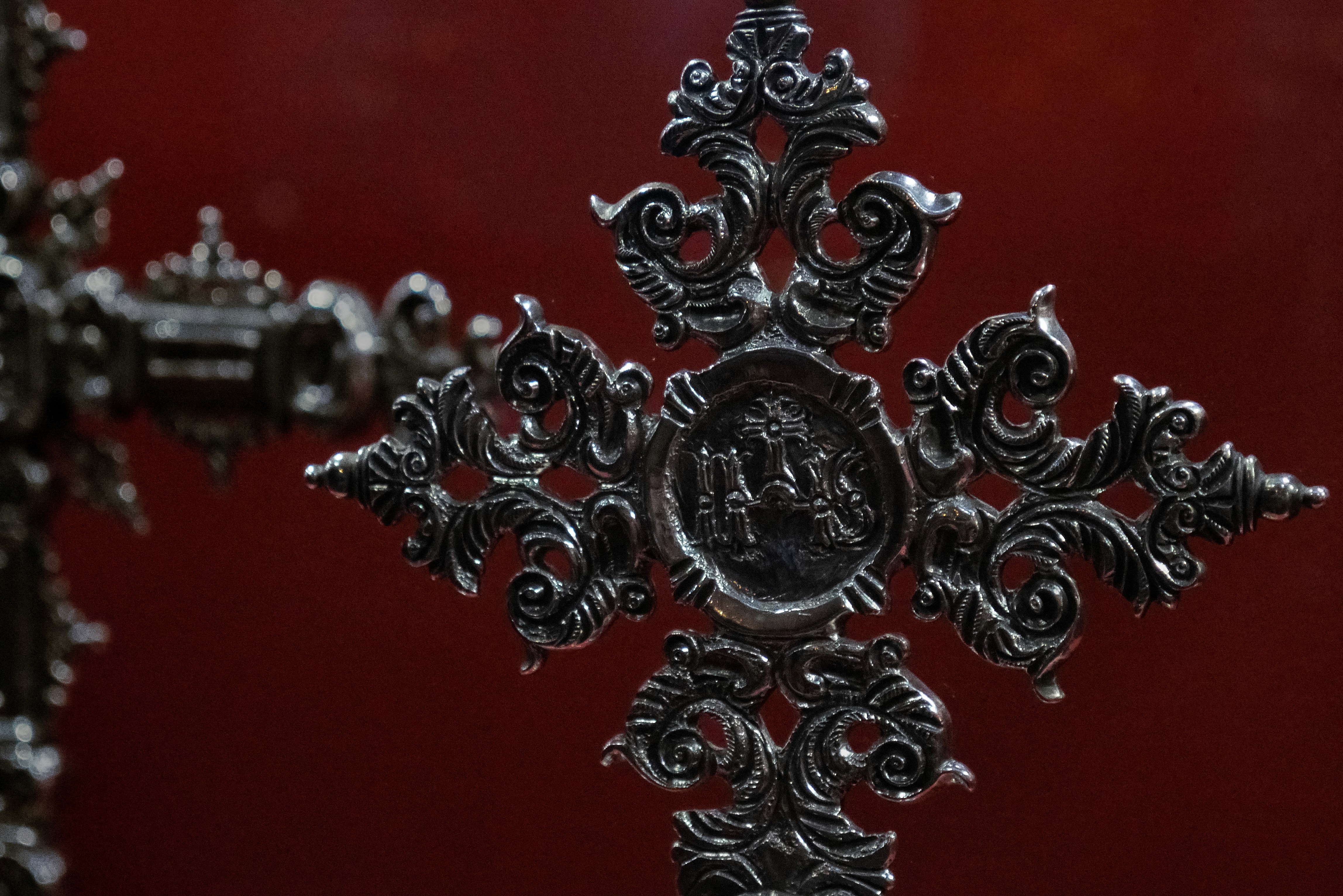
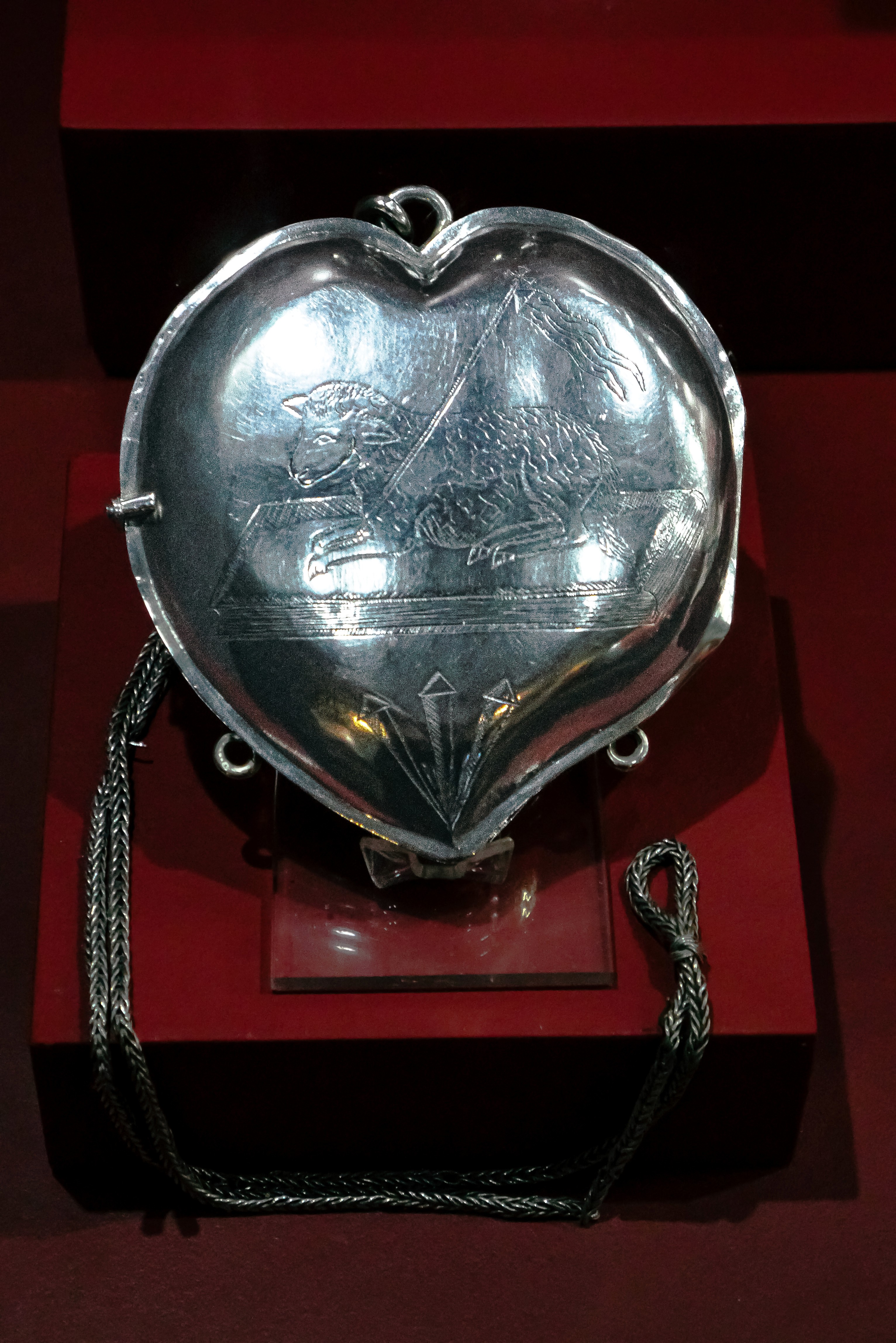
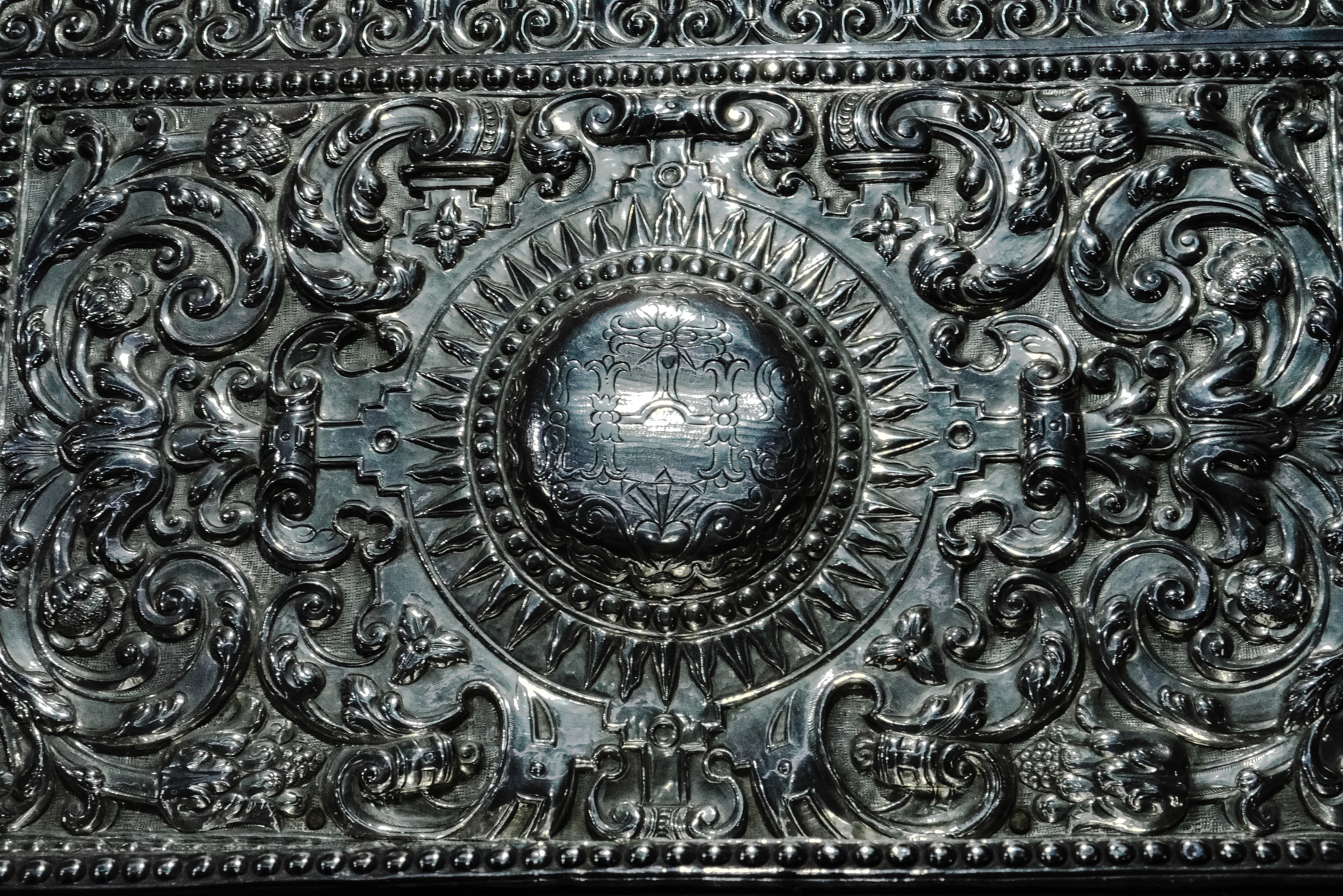
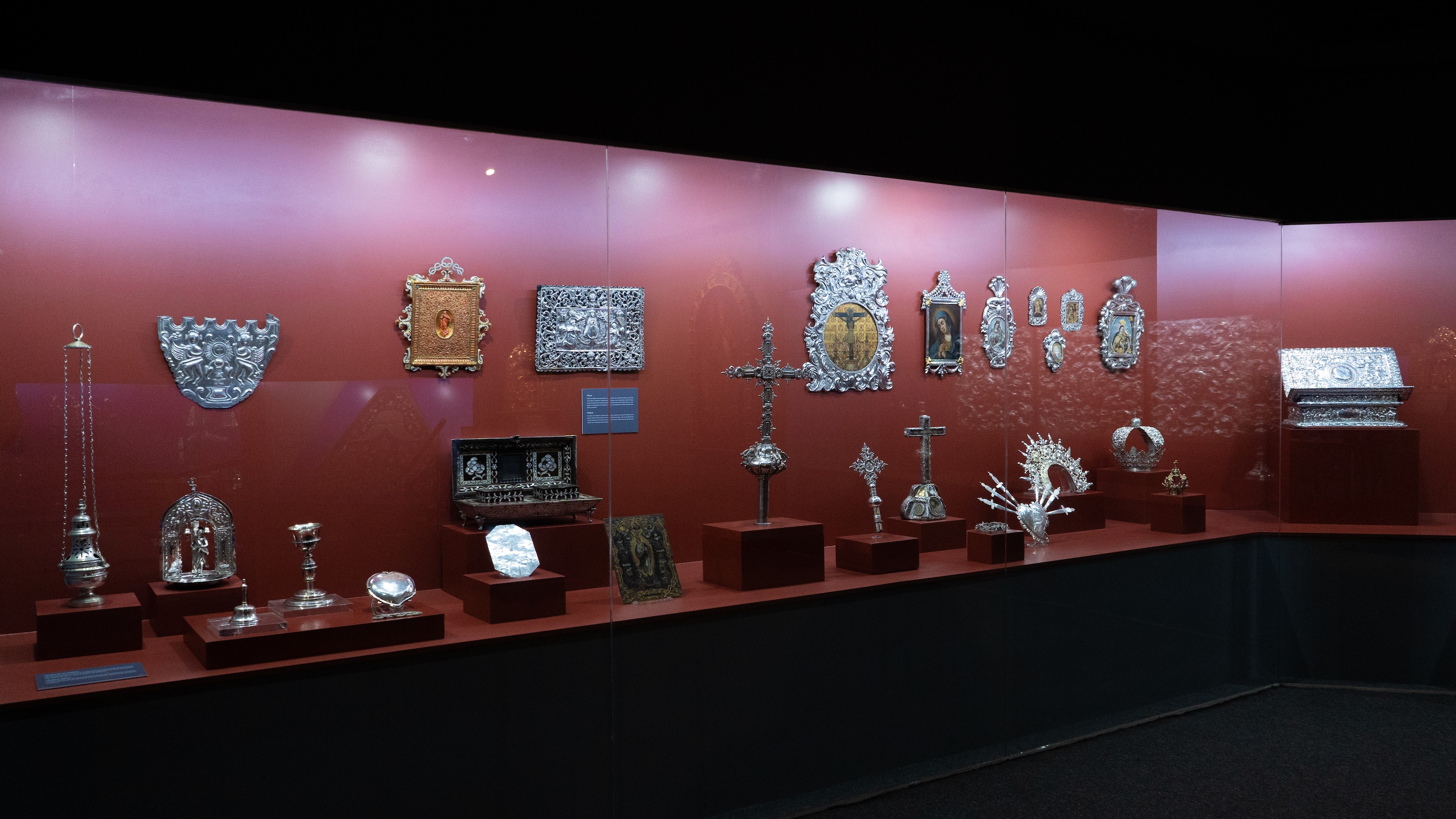
Before the conquest, silver already held symbolic and ritual value in Andean cultures. With colonial dominance, its use expanded to coin minting and the production of both religious and domestic objects. This room showcases a prominent numismatic collection formed by Guillermo Wiese de Osma, featuring pieces from the Mint of Lima, Cusco, and Potosí dating back to the 17th century, alongside examples of viceroyal silverware that reflect the technical skill and the central role of this metal in everyday, devotional, and economic life of the viceroyalty.
In 1545, the discovery of the Cerro Rico of Potosí radically transformed the economic history of the Hispanic world. The silver extracted from this mining center, one of the most important of the 16th century, filled the coffers of the Spanish Empire and circulated widely throughout Europe and other continents, becoming a decisive engine of the early global economy.
Before the conquest, silver already held symbolic and ritual value in Andean cultures. With colonial domination, its use expanded to the minting of coins and the production of both religious and domestic objects. This room brings together a notable numismatic collection formed by Guillermo Wiese de Osma, with pieces from the Mint of Lima, Cusco, and Potosí from the 17th century, along with examples of viceroyal silverwork that reflect the technical skill and the central role of this metal in daily, devotional, and economic life of the viceroyalty.